
MINERAL PROCESSING
Gold CIP Plant
What Is CIP?
A complete metallurgical processing line designed for highly efficient gold extraction from low-grade ore, tailings and polymetallic ore.
Customized CIP Line
Tailored crusher, grinding, screening and extraction equipment — each optimized in structure for your specific ore conditions.
Reliable Operations
Stable plant operation with full environmental compliance, built to deliver consistent economic returns for mineral processors.
CIP Gold Processing Plant for Sale
We supply high-performance full-set CIP Gold Processing Plant for global mining investors. Differentiated from ordinary standard models, our gold CIP plant features uniquely optimized staged leaching and counter-current carbon adsorption design, delivering higher gold recovery rate, lower reagent and power consumption, as well as more stable long-term operation. With customizable layout, anti-corrosion wear-resistant equipment configuration and complete closed-loop environmental protection design, our gold CIP plant processing line is ideal for processing low-grade gold ore, tailings, laterite ore and polymetallic associated gold ore.
الكسارة الفكية
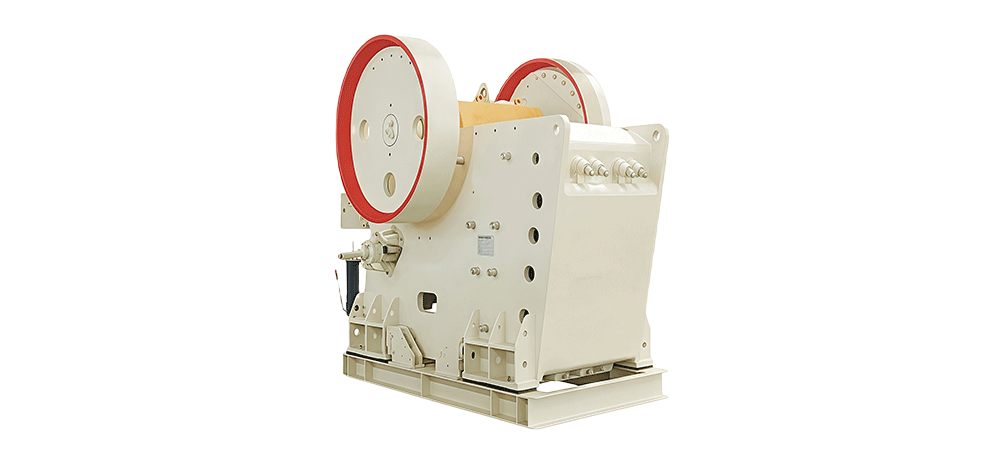
Capacity: 70–1500 tph
Feed size: <1200 mm
Output Size: 30–300 mm
كسارة مخروطية

Capacity: 100–1795 tph
Feed size: 60–425 mm
Output Size: 8–70 mm
الكسارة الصدمية
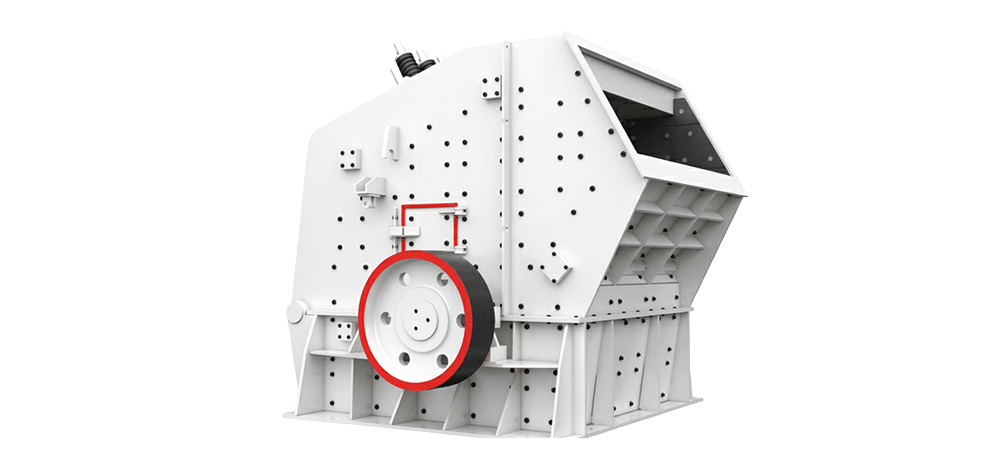
Capacity: 40–500 tph
Feed size: <720 mm
Output Size: 5-65 mm
Vibrating Screen
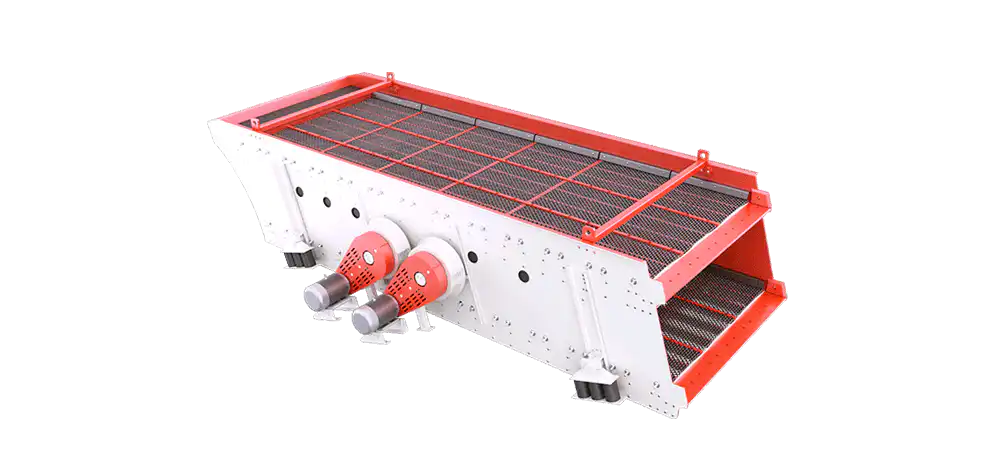
Capacity: 7–500 tph
Feed size: ≤150 mm
Output Size: 0.25–50 mm
المصنف الحلزوني
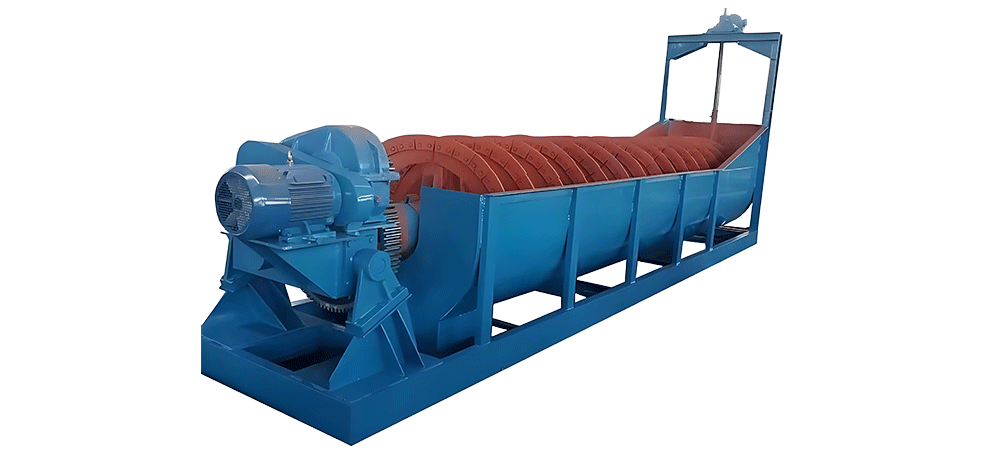
Capacity: 20–1700 t/d
Feed size: ≤10 mm
Output Size: 0.07–0.83 mm
Hydrocyclone
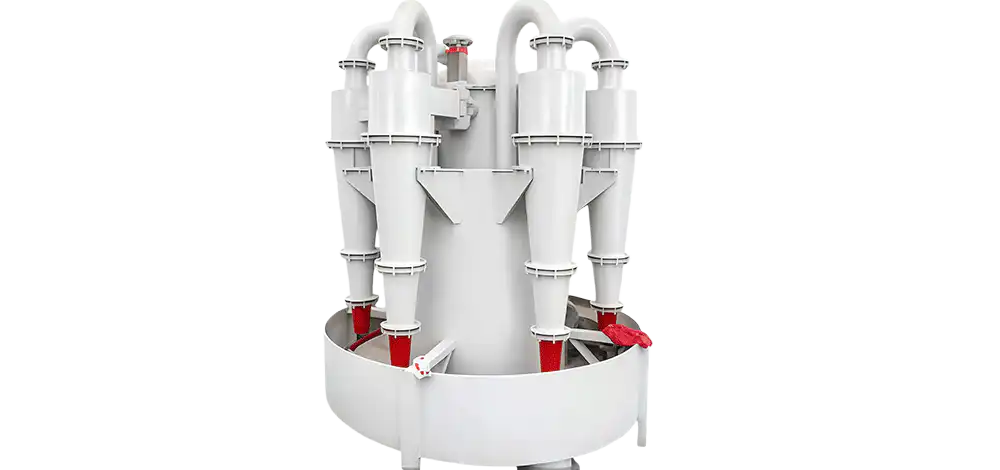
Capacity: 11–900 m³/h
Feed size: 1.5–16 mm
Output Size: 30–220 μm
Ball Mill

Capacity: 0.65–90 t/h
Feed size: ≤20–25 mm
Output Size: 0.075–0.89 mm
Rod Mill
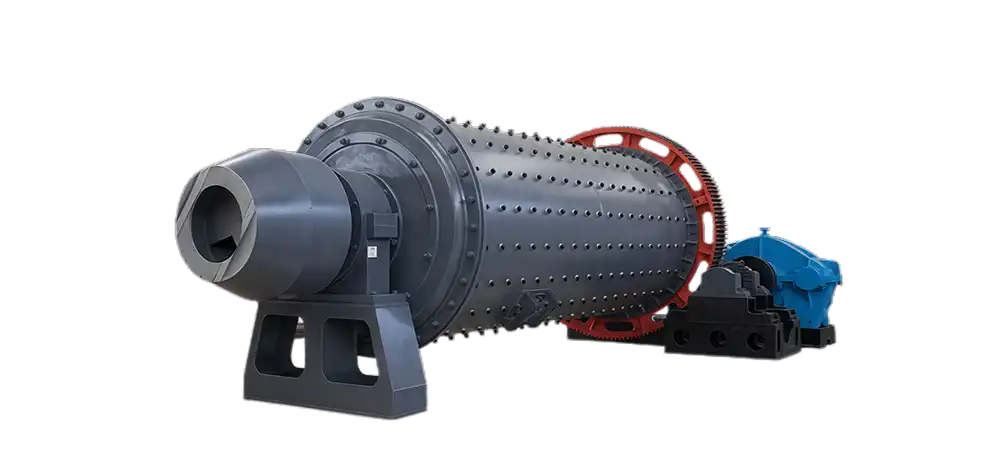
Capacity: 0.62-250 t/h
Feed size: ≤ 50 mm
Output Size: 0.5-5 mm
Thickener

Capacity: 1.3-1440 T/D
Diameter: 1.8-24 m
Filter Press

Areas: 20-550 m²
Volume: 0.24-7.96 m³
Gold CIP Application
The gold CIP plant application covers a wide range of gold extraction scenarios, focusing on practical and efficient gold recovery for different ore types.
- It is mainly applied to low-grade gold ore extraction, effectively recovering gold from low-grade raw ore that is difficult to process by traditional methods.
- It is also suitable for associated gold recovery from polymetallic ores, realizing comprehensive utilization of resources without wasting valuable gold resources.
- It is widely used for gold recovery from ore slime, solving the problem of low gold recovery caused by fine particle size and difficult separation of ore slime. Our optimized gold CIP plant method makes these applications more stable and efficient, with higher recovery rate and lower reagent consumption.
Advantages of Our CIP in Gold Processing
Custom CIP Design for high recovery rate
We adopt tailor-made staged leaching and graded carbon adsorption flow, not generic standard gold CIP plant design. The process is optimized according to your actual ore properties, locking and recovering micro fine gold that most ordinary CIP lines cannot capture, bringing you higher real gold yield and direct economic benefits.
Optimized Process Flow to Cut Reagent Cost
We adopt tailor-made staged leaching and graded carbon adsorption flow, not generic standard gold CIP plant design. The process is optimized according to your actual ore properties, locking and recovering micro fine gold that most ordinary CIP lines cannot capture, bringing you higher real gold yield and direct economic benefits.
Integrated Process for Linkage Operation
We adopt tailor-made staged leaching and graded carbon adsorption flow, not generic standard gold CIP plant design. The process is optimized according to your actual ore properties, locking and recovering micro fine gold that most ordinary CIP lines cannot capture, bringing you higher real gold yield and direct economic benefits.
Built-In Closed-Loop Environmental Process
We adopt tailor-made staged leaching and graded carbon adsorption flow, not generic standard gold CIP plant design. The process is optimized according to your actual ore properties, locking and recovering micro fine gold that most ordinary CIP lines cannot capture, bringing you higher real gold yield and direct economic benefits.
Gold CIP Plant Price List
| Plant Size | الطاقة الاستيعابية | Price Range |
| Small Scale | 1–50 TPD | $500.000 – $2M |
| Medium Scale | 50–200 TPD | $500,000 – $10M |
| Large Scale | 200–1,000+ TPD | $5,000,000 – $50M+ |
| Modular Scale | 1–500 TPD | $5,000,000 – $50M+ |
| Mobile Scale | 1–30 TPD | $15,000 – $500,000 |
The price is for reference only. Please get in touch with us for the latest quotation.
Project Case Studies

Mongolia
1000 T/D Gold CIP Plant
Ore Type: Mixed oxidized and sulfide gold ore
Site Conditions: Cold climate, water shortage and remote site
Our Advantage:
Modular compact layout saves land and shortens installation. Low temperature adaptive leaching tank and intelligent dosing system ensure stable recovery above 91%, with low energy consumption and easy daily maintenance.

Indonesia
100 T/D Small Scale Gold CIP Plant
Ore Type: Quartz vein oxidized fine gold ore
Site Conditions: Low investment budget, small operation team
Our Advantage:
Engineered with an advanced automatic control system, it boasts an low failure rate. Requiring just two workers daily, this turnkey solution ensures rapid commissioning, seamless operation, and a highly lucrative return on investment.

Guinea
3000 T/D Laterite Gold CIP Plant
Ore Type: Mixed High-clay laterite gold ore
Site Conditions: High viscosity, high mud and easy loss of fine gold
Our Advantage:
Special desliming and high-concentration leaching process solves viscous blockage. Staged leaching and graded carbon adsorption increase fine gold recovery by 3%–5% and reduce operating cost by over 12%.
Gold CIP Plant Cost: A Brief Guide
1. Key Factors Influencing Gold CIP Plant Costs
Technology & Automation
Basic gold CIP plant systems adopt manual operation with standard tanks and ordinary pumps for cost-sensitivep projects; advanced versions feature automatic process control, real-time monitoring and energy-saving design. Although automated models increase initial investment, they greatly reduce labor demand, stabilize gold recovery, and cut long-term operational and carbon replacement costs.
Location & Infrastructure
Remote mine sites push up gold CIP plant costs due to expensive heavy machinery transportation, additional spending on building roads, power and water supply facilities, and higher salary premiums required to hire skilled local technical workers.
Materials & Consumables
Fluctuating prices of activated carbon, leaching chemicals and anti-corrosion steel directly affect plant investment and operation costs. High-grade consumables improve recovery efficiency, while quality steel determines equipment durability, maintenance frequency and overall service life.
Note: Gold CIP plant costs are mainly determined by automation level, site conditions, infrastructure requirements and long-term consumable expenses. As a direct manufacturer, we provide graded configurable solutions to match different budgets, avoid over-designing to save upfront cost, apply optimized structure and premium materials to lower maintenance and consumable consumption, and offer customized compact layout to reduce infrastructure dependence, helping clients cut hidden transportation and construction costs.
2. Hidden Costs of CIP Plants
استهلاك الطاقة
Energy consumption is a major hidden cost of gold CIP plants, mainly from grinding, leaching and pumping equipment. Poor equipment design or inefficient operation leads to excessive power consumption, which accumulates into a huge long-term expense and directly increases operational costs.
Labor
Labor-related hidden costs include not only salaries for operators and technicians, but also training fees, overtime pay and maintenance personnel costs. Manual operation or unskilled staff will lead to low efficiency, frequent errors and increased hidden labor expenditure.
Gold Losses
Gold losses are easily overlooked but critical hidden costs. Insufficient leaching, poor adsorption effect or improper process control will cause unrecaptured gold in tailings or pulp, reducing overall recovery rate and bringing direct economic losses to mines.
Note: Our energy-saving configured equipment reduces overall power consumption significantly; high-degree automatic control lowers manual dependence and saves long-term labor expenses. Meanwhile, our precisely matched process flow and upgraded tank structure improve leaching and adsorption efficiency, minimize tailings gold loss, and maximize your final economic benefits.
3. Tips to Reduce Gold CIP Plant Costs
Improve Automation Level
High automatic control cuts labor reliance, reducing labor costs by 30–45% and minimizing operational errors.
Adopt Energy-saving Equipment
Optimized energy-saving units lower overall power consumption by 20–30%, slashing long-term electricity expenses.
Optimize Plant Layout
Compact customized layout shortens pipelines and logistics, saving infrastructure costs by 15–25%.
High-quality Anti-corrosion Materials
Premium anti-corrosion materials extend service life, cutting maintenance and replacement costs by 25–35%.
Optimize Consumable Management
Professional process design reduces carbon and cyanide waste, lowering consumable costs by 18–28%.
Typical Gold CIP Plant Flow Stages
التكسير
Raw gold ore is crushed into small particle size through professional crushing equipment, laying a basic condition for follow-up grinding and full gold dissociation.
Raw gold ore is crushed into small particle size through professional crushing equipment, laying a basic condition for follow-up grinding and full gold dissociation.
Grinding and Classification
Crushed ore is ground into fine pulp and classified to control particle size uniformly, ensuring qualified pulp concentration for subsequent leaching operation.
Crushed ore is ground into fine pulp and classified to control particle size uniformly, ensuring qualified pulp concentration for subsequent leaching operation.
Leaching and Adsorption
Gold is dissolved from ore pulp by leaching reaction, then activated carbon adsorbs dissolved gold. Our optimized process ensures higher leaching efficiency and better fine gold capture.
Gold is dissolved from ore pulp by leaching reaction, then activated carbon adsorbs dissolved gold. Our optimized process ensures higher leaching efficiency and better fine gold capture.
Desorption and Carbon Recycling
Gold is stripped from loaded carbon through desorption, and the recycled activated carbon can be reused to reduce production consumption and operating cost.
Gold is stripped from loaded carbon through desorption, and the recycled activated carbon can be reused to reduce production consumption and operating cost.
Electrowinning
Concentrated gold-bearing liquid is processed by electrowinning to separate solid gold from the solution, obtaining high-purity gold mud.
Concentrated gold-bearing liquid is processed by electrowinning to separate solid gold from the solution, obtaining high-purity gold mud.
Refining
Gold mud is further smelted and refined to remove impurities, finally forming standard gold ingots with high purity.
Gold mud is further smelted and refined to remove impurities, finally forming standard gold ingots with high purity.
Treatment of Tailings
Tailings are treated with harmless and closed-loop processing, meeting local environmental standards and realizing safe and compliant discharge.
Tailings are treated with harmless and closed-loop processing, meeting local environmental standards and realizing safe and compliant discharge.
Key Factors in Gold CIP Plant Selection
Every gold mine project is unique, so we design a fully customized gold CIP plant solution precisely for your actual project demands. We take all key decisive factors into full consideration to match the most suitable process layout, and equipment configuration, helping you pick the most cost-effective and high-yield CIP system for long-term mining operation.
1. Ore Type
Oxide ores leach readily with straightforward gold CIP plant circuit design. Sulphide and carbonaceous ores demand a different approach. Our design is driven by your ore’s leaching kinetics and mineralogical data, specifying every tank and agitator to match your feed characteristics.
2. Gold Grade and Tonnage
Low-grade, high-tonnage operations require large-capacity ball mills and tank farms to achieve economies of scale. High-grade, lower-tonnage projects benefit from compact, high-efficiency circuit design. Our equipment sizing matches your throughput and grade profile—neither oversized nor undersized—so we perfectly balance recovery efficiency and operating cost for maximum economic benefits.
3. Capital Availability
Tight capital budgets favour phased, modular designs that allow future expansion. Full-scale financing supports larger single-line configurations with lower unit operating costs. Our design scales to your financial model—delivering the best recovery achievable within your budget envelope, with optional add-on modules that grow with your cash flow.
4. Existing Infrastructure & Location
Remote sites without grid power rely on diesel generation, making energy-efficient mill and agitator design critical to controlling operating costs. Proximity to ports, water sources, and skilled labour influences module sizing and construction strategy.Our technical team redesigns and arranges the whole gold CIP plant layout according to your existing factory infrastructure, site area and geographical terrain. Compact and reasonable layout saves land occupation, shortens installation cycle and reserves space for future capacity expansion.
5. Equipment Supplier
A qualified supplier can provide reasonable process layout, matched equipment configuration and standardized technical support throughout the whole project. It also ensures stable operation, convenient later maintenance and reasonable control of overall investment cost, avoiding hidden risks caused by immature design or unqualified equipment.
6. Environmental Regulations
Strict cyanide discharge limits or zero-liquid-discharge mandates directly determine detox circuit design, tailings handling method, and water balance strategy. We engineer compliance into the flowsheet from day one—not as a retrofit—matching detox technology and tailings dewatering to your permit conditions, whether that means an SO₂/Air destruction circuit or a fully closed water loop.
Core Difference Between CIL and CIP
| CIP (Carbon in Pulp) | CIL (Carbon in Leach) | |
| Leaching & Adsorption | Sequential: leaching completed first, followed by adsorption in separate tank groups | Simultaneous: leaching and adsorption occur together in the same tanks |
| Total Number of Tanks | More tanks (separate leaching and adsorption sections) | Fewer tanks (same tank group handles both functions) |
| Capital Cost | Relatively higher (more tank volume required) | Relatively lower (fewer tanks, smaller footprint) |
| Reagent Consumption | Relatively lower (carbon contacts pulp only after leaching is complete) | May be higher (activated carbon adsorbs cyanide and some reagents simultaneously) |
| Process Control Complexity | Leach and adsorption parameters can be optimized independently | Leaching and adsorption interact; parameter coordination is more complex |
Optimization Strategies for Existing Gold CIP Plant Lines
1. Daily Maintenance
| System | Key Maintenance Points |
| نظام التكسير | Inspect crusher liner wear and lubricate on schedule; check vibrating screen mesh and springs, clear screen blockages promptly |
| Grinding System | Replenish grinding balls regularly and inspect mill liners; lubricate bearings frequently, flush hydrocyclones and pipelines to prevent clogging |
| Leaching and Adsorption | Inspect agitator impellers, anti-corrosion linings and motor condition; clean settled solids from tank bottoms, strictly check reagent pipeline leaks |
| Elution and Electrowinning | Monitor elution column temperature, pressure and seals; clean electrowinning cell scale, replace aging seals promptly |
| Activated Carbon System | Inspect carbon transfer equipment to minimize carbon breakage; maintain regeneration equipment to ensure carbon activity recovery |
| Tailings | Inspect filter press and dewatering screen wear parts; maintain all pumps, regularly clean tailings pond sludge |
| General Requirements | Routine inspection, lubrication, tightening, timely replacement of wear parts; keep electrical equipment dust-proof and moisture-proof, strictly prevent leaks in cyanide areas |
2. Equipment Wear and Loss Control for CIP Lines
- Reduce activated carbon loss: Clean inter-tank screens every shift and replace damaged ones instantly. Control regeneration temperature at 600–650℃ (over 800℃ causes severe carbon burning damage). Ensure full acid cleaning to remove calcium-magnesium scale and restore carbon activity, avoiding premature carbon discard.
- Reduce reagent consumption: Adopt automatic pH closed-loop adjustment for lime to cut consumption by 15–20%. Dose sodium cyanide accurately by ore tonnage and adjust dosage regularly based on residual cyanide test. Avoid over-grinding to prevent extra reagent adsorption by secondary slime.
- Reduce energy consumption: Grinding accounts for over 50% of total power consumption; optimize steel ball filling rate and gradation for highest efficiency. Adjust aeration volume by dissolved oxygen data, maintain 5–8 mg/L dissolved oxygen to save fan power without reducing leaching rate.
3. Common Fault Emergency Handling
- Declining leaching efficiency: Priority check grinding fineness — substandard fineness is the top cause. Then test cyanide concentration and pH (keep pH above 10.5). Next check dissolved oxygen to eliminate aeration pipe or fan failure. Finally verify ore property changes such as high sulfur or high arsenic content.
- Activated carbon adsorption failure: Test gold loading on carbon and tailing liquid gold concentration. High carbon gold loading with high tailing gold means carbon saturation; both high indicates inter-tank screen damage causing carbon loss; low carbon loading with high tailing gold means insufficient new carbon addition or carbon poisoning, requiring more acid cleaning and regeneration.
- Slurry blockage: Pipeline clogging often occurs at elbows and valves, caused by overly high slurry density or low flow rate; increase flushing water or pump speed for emergency dredging. Inter-tank screen blockage leads to abnormal tank liquid level; flush with high-pressure water gun or stop machine for cleaning if necessary.
Gold CIP Plant Environmental Compliance Management
Cyanide Usage Regulations
Sodium cyanide is highly toxic, requiring dedicated warehouse storage with double-lock management, acid isolation, emergency containment and gas detection. Professional hazardous chemical transportation and full operator protection are mandatory, along with leakage emergency plans and regular drills. Our sealed cyanide feeding and conveying systems minimize manual contact and leakage risks, with matched safety alarm devices.
Wastewater and Residue Treatment
Tailings slurry must be detoxified by SO₂/Air process before discharge or reuse. High-standard areas need full water closed circulation and zero emission. Residues are stored in anti-seepage landfills with leachate recycling and post-mining reclamation. We provide complete detoxification, water recycling and anti-seepage supporting equipment to reach standard discharge or zero emission and simplify environmental approval.
Environmental Detection Indicators
Key monitoring targets include total cyanide, free cyanide, pH, and heavy metals, tested using titration, colorimetry, and online monitoring equipment. Alongside required daily sampling, record-keeping, and routine third-party calibration, our high-performance integrated environmental monitoring system provides real-time tracking, automatic over-limit alarms, and seamless data storage for streamlined daily inspection and supervision.
Furnace Emission Control
Regeneration at 650–750°C generates CO, VOCs and particulates regulated under local air quality laws. Operations require sealed combustion, afterburners and continuous stack monitoring. Our furnace systems integrate off-gas treatment and temperature control to keep emissions within permitted limits, lowering your environmental approval risk from day one and supporting long-term compliance reporting requirements across different jurisdictions.
Technological Innovations in CIP Gold Processing Plant
Real-Time Process Visibility
Online sensors and intelligent systems monitor key parameters such as cyanide concentration, dissolved oxygen, slurry density and gold loading on carbon in real time. Operators can spot abnormal trends early and adjust the process in advance to avoid gold loss. We integrate this technology into our gold CIP plant equipment as standard, providing user-friendly monitoring interfaces that enable even non-professional operators to grasp process conditions easily.
Adaptive Automation & Control
The intelligent control system automatically adjusts reagent dosage, aeration volume and carbon transfer cycle as ore properties change. It keeps stable recovery rate, lowers human error and reduces unplanned downtime. Our self-developed adaptive control system is highly compatible with various ore types, requiring no complex debugging and quickly adapting to ore property fluctuations, which is more practical for actual mining operations.
Smarter Carbon Management
Automatic screening and controlled carbon circulation reduce mechanical wear and carbon loss in tailings. Precise temperature control in regeneration furnaces restores carbon activity better, lowers thermal loss and extends service life. We optimize the carbon circulation and regeneration system, which can reduce activated carbon consumption by 15-20% compared with traditional equipment, significantly cutting the long-term operating costs of the plant.
Alternative Leaching Chemistry
Non-cyanide leaching solutions such as thiosulfate and halogen-based reagents have been commercially applied in restricted areas. They simplify the process by removing cyanide detoxification facilities while maintaining similar gold recovery rates. We can provide customized non-cyanide leaching supporting equipment according to ore properties and local environmental requirements, ensuring compliance while guaranteeing stable gold recovery.
Dry Stack Tailings Management
Tailings are mechanically dewatered into solid stacked materials instead of wet tailings ponds. It saves land area, eliminates dam failure and groundwater pollution risks, and allows progressive ecological reclamation. We provide integrated dry stack tailings equipment, which has compact structure, low energy consumption and easy operation, helping mines reduce infrastructure investment and meet environmental protection requirements at the same time.
Get Your Custom CIP Plan
CIP processing suits large-tonnage, low-grade deposits where CIP adsorption after leaching delivers lower reagent costs and simpler circuit control. Our process engineers will assess your ore characteristics and design the most cost-effective CIP configuration for your operation.
Your Free CIP Feasibility Package:
- Ore Suitability Assessment
- Estimated Gold Recovery Rate Based on Your Grade
- Recommended Plant Capacity and Layout
Your data is secure. A dedicated metallurgist will review your inputs and reply within 12-24 hours with actionable insights.
