
CIL Gold Processing Plant
Our CIL Gold Processing Plant features an integrated flowsheet—from crushing and grinding to simultaneous leaching-adsorption, elution, and smelting—to achieve gold recovery rates up to 98%. As a professional ISO-certified EPC turnkey provider with international quality qualifications (including CE and SGS), we manufacture and optimize every stage of the equipment line for both mobile units and large-scale projects. By combining high-standard manufacturing with proven metallurgical expertise, we help mine owners minimize operational costs and ensure a reliable, high-ROI investment.
- Capacity: 10 TPD – 5000 TPD
- Recovery Rate: Up to 95%+
- Suitable for: oxidized gold ores with low sulfur content and high mud content, fine-grained disseminated gold ores, gold tailings after amalgamation with gravity separation, or other complex associated minerals
Complete CIL Gold Processing Plant for Sale: Core Equipment
The core hardware of a CIL Gold Processing Plant is engineered for high-intensity operations and long-term mechanical durability. Utilizing heavy-duty structural components and high-grade wear-resistant alloys, these machines are built to withstand the most abrasive mining environments while maintaining peak performance. Every stage—from crushing and grinding to elution and smelting—is equipped with precisely matched machinery designed to ensure a seamless process flow, maximum gold liberation, and consistent recovery with minimal unplanned downtime.
Frantoio a mascelle
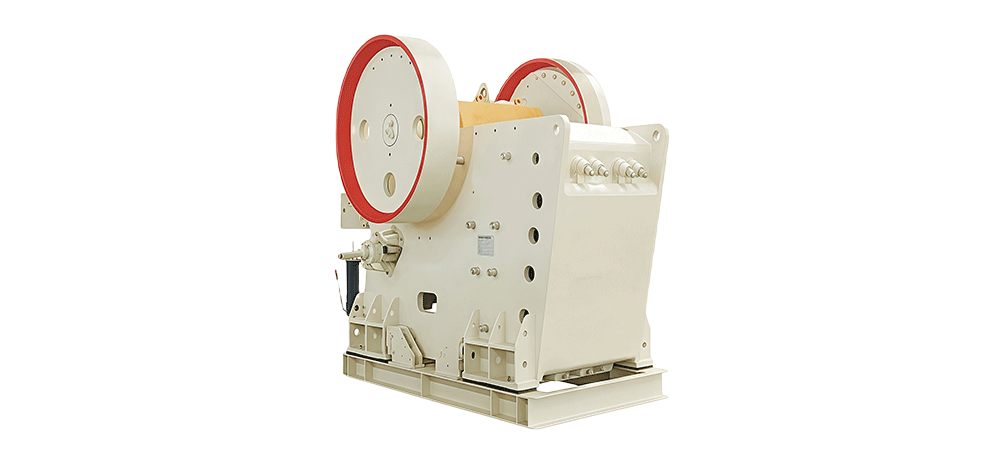
Capacity: 70–1500 tph
Feed size: <1200 mm
Output Size: 30–300 mm
Frantoio a cono

Capacity: 100–1795 tph
Feed size: 60–425 mm
Output Size: 8–70 mm
Frantoio a urto
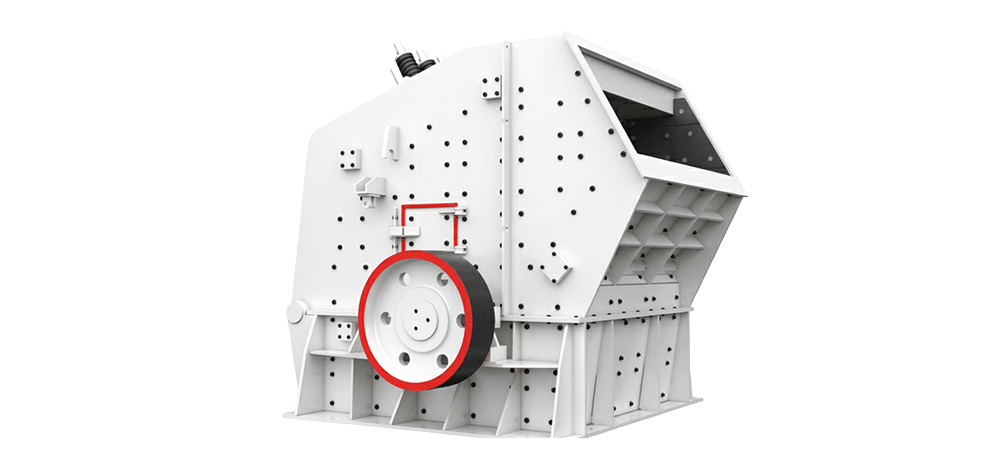
Capacity: 40–500 tph
Feed size: <720 mm
Output Size: 5-65 mm
Vibrating Screen
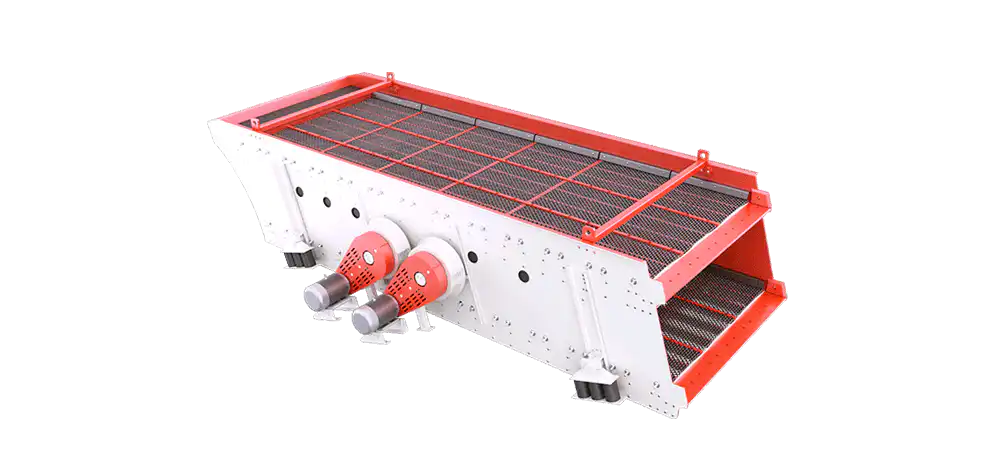
Capacity: 7–500 tph
Feed size: ≤150 mm
Output Size: 0.25–50 mm
Classificatore a spirale
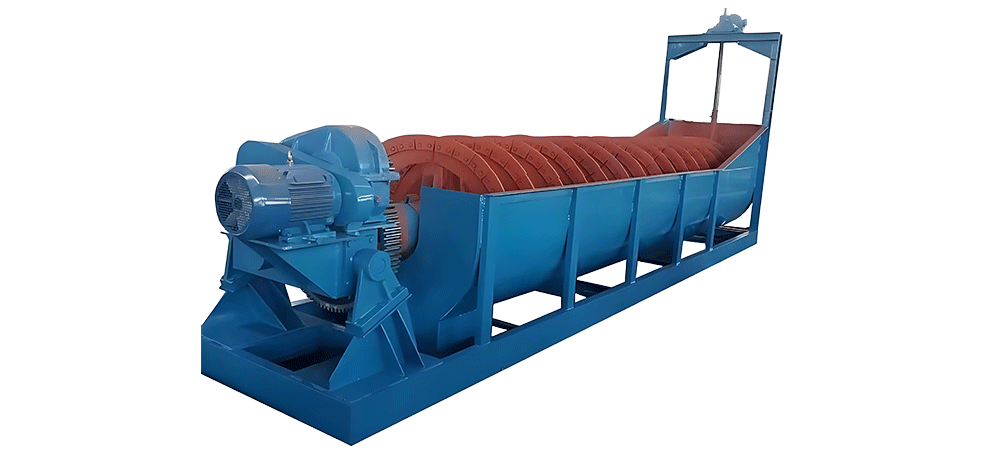
Capacity: 20–1700 t/d
Feed size: ≤10 mm
Output Size: 0.07–0.83 mm
Hydrocyclone
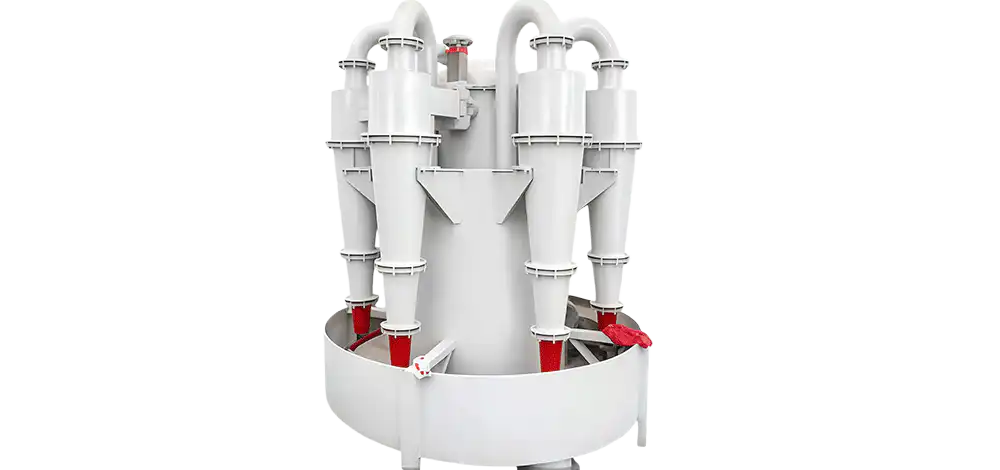
Capacity: 11–900 m³/h
Feed size: 1.5–16 mm
Output Size: 30–220 μm
Ball Mill

Capacity: 0.65–90 t/h
Feed size: ≤20–25 mm
Output Size: 0.075–0.89 mm
Rod Mill
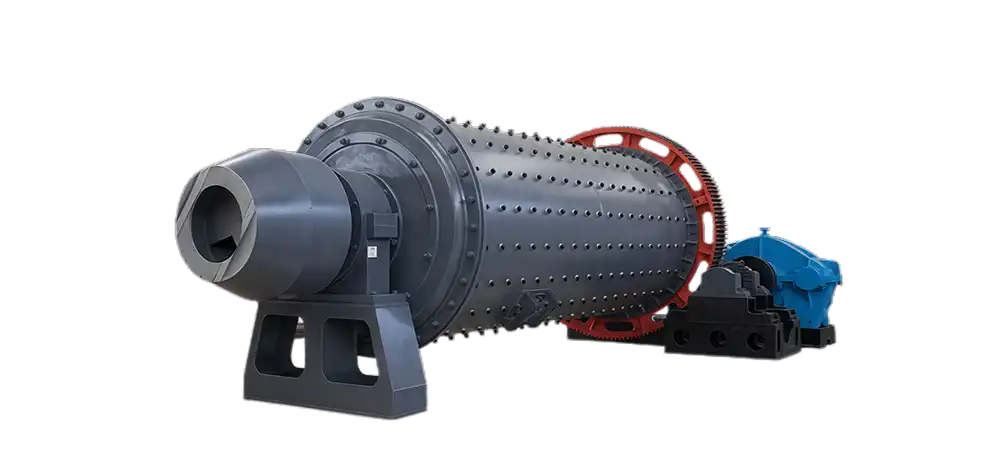
Capacity: 0.62-250 t/h
Feed size: ≤ 50 mm
Output Size: 0.5-5 mm
Mixer
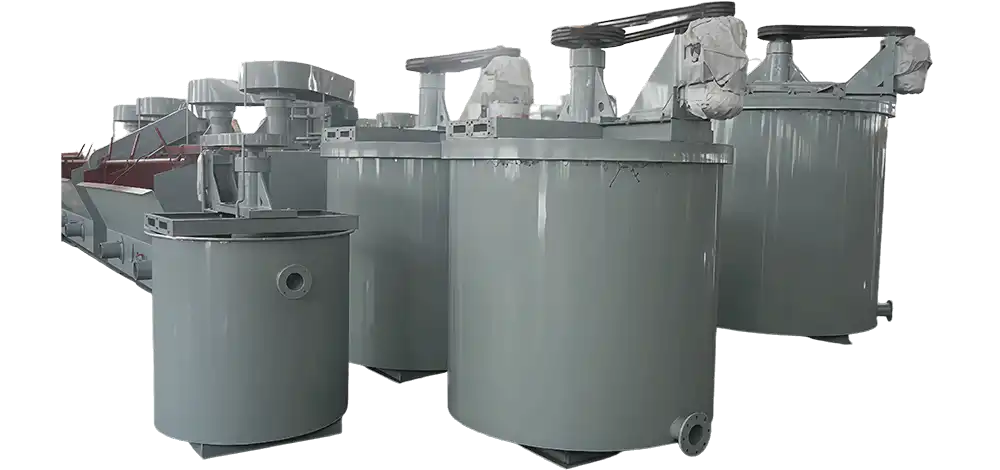
Power: 1.1-22 kw
Efficient Volume: 0.26-30 m³
High-Rate Thickener

Capacity: 1.3-1440 T/D
Diameter: 1.8-24 m
Cost-effective CIL Plant Configuration for Peak Gold Recovery
Peak gold recovery requires precise equipment matching tailored to your production goals and site constraints. We categorize our solutions by capacity scale and functional deployment to ensure an efficient flowsheet. Beyond full turnkey plants, we also supply individual machinery for specific circuit upgrades to optimize your existing operations.
1. Capacity Based Options
Your daily throughput (TPD) determines the physical scale of the machinery. We offer three standardized configurations designed to align your capital investment (CAPEX) with your specific mineral reserves and production targets.
The Small-Scale & Startup Setup (10–100 TPD)
Focus: Low CAPEX, ease of maintenance, and simple operation.
Crushing: Jaw Crusher (Single-stage) to reduce ROM to <20mm.
Grinding: Ball Mill paired with a Spiral Classifier.
Thickening: Natural sedimentation or a Conventional Thickener.
Leaching: 6-unit CIL Agitation Tanks with manual reagent dosing.
Recovery: Standard Atmospheric Desorption system.
Tailings: Direct discharge to a lined tailings pond.
The Standard Setup (100–500 TPD)
Focus: High recovery rates, durability, and optimized operational costs.
Crushing: Jaw Crusher (Primary) + Impact Crusher (Secondary) + Vibrating Screen (Closed-circuit).
Grinding: Ball Mill paired with a Hydrocyclone cluster.
Thickening: High-Efficiency Thickener to reach 45% pulp density.
Leaching: 8-unit CIL Agitation Tanks with automated air sparging.
Recovery: High-Temperature High-Pressure (HTHP) Elution system (fast 12-hour cycle).
Tailings: Slurry Pumps to a managed TSF (Tailings Storage Facility).
The High-Efficiency & ESG Setup (500–2,000+ TPD)
Focus: Maximum automation, large-scale efficiency, and environmental (ESG) compliance.
Crushing: Jaw Crusher + Cone Crusher (High-hardness capability) + Vibrating Screen.
Grinding: Large-scale Ball Mill (VFD controlled) + Hydrocyclone cluster with automated monitoring.
Thickening: High-Rate Thickener with automated flocculant dosing.
Leaching: 9-unit CIL Agitation Tanks with PLC/SCADA centralized control.
Recovery: Fully automated Integrated Elution & Electrowinning plant.
Tailings: Tailings Filter Press for Dry Stacking. (Essential for modern mines to recover water and meet zero-leakage standards).
2. Function Based Options
Deployment depends on your site conditions and project lifespan. Choose a Mobile model for remote locations and rapid setup, or a Stationary model for large-scale commercial durability and long-term expansion.
Mobile/Modular Gold CIL Plant (Fast-Track Deployment)
Focus: Rapid time-to-market, portability for remote sites, and zero permanent infrastructure costs.
Crushing: Compact Jaw Crusher (Single-stage) mounted on a reinforced steel skid.
Grinding: Medium-duty Ball Mill paired with a Spiral Classifier for easy maintenance in remote areas.
Thickening: Skid-mounted Conventional Thickener or high-efficiency sedimentation tanks.
Leaching: 6-unit Containerized Agitation Tanks, 100% factory pre-plumbed and pre-wired.
Recovery: Skid-mounted Atmospheric Elution system designed for “plug-and-play” setup.
Tailings: Portable Slurry Pump system for direct discharge to lined ponds.
Stationary/Fixed EPC Plant (Permanent Infrastructure)
Focus: Maximum throughput scalability, decades of service life, and full automation for lowest long-term cost.
Crushing: Jaw Crusher + Cone Crusher (High-hardness capability) + Closed-circuit Vibrating Screen.
Grinding: Large-scale Ball Mill (VFD controlled) + Hydrocyclone cluster with automated monitoring.
Thickening: High-Rate Thickener with automated flocculant dosing for precise density control.
Leaching: 9-unit Heavy-duty CIL Agitation Tanks with PLC/SCADA centralized control.
Recovery: Fully automated Integrated High-Temperature High-Pressure (HTHP) Elution & Electrowinning plant.
Tailings: Tailings Filter Press for Dry Stacking. (Essential for modern mines to recover water and meet zero-leakage standards).
Note: Do you only need a specific machine? We offer our full range of CIL equipment as standalone units to help you upgrade your current operations. Contact our sales team for individual machinery pricing.
CIL Gold Processing Plant Price List
The following table outlines the equipment investment requirements across different operational scales to help you plan your initial project budget.
| Package Type | Estimated Price (USD) |
| Modular / Mobile CIL (10-50 TPD) | $120,000 – $380,000 |
| Standard Production (100-500 TPD) | $650,000 – $1,900,000 |
| Advanced EPC Turnkey (1000+ TPD) | $3,000,000 – $8,000,000+ |
Note: All figures are budgetary estimates for general reference only. Final pricing depends on your mineral report and site conditions. Contact our engineers for a detailed itemized quote.
Core Advantages of Our CIL Gold Processing Plant
Shorter Processing Time
Our CIL combines leaching and adsorption into a single simultaneous stage. This integration removes the need for separate slurry transfer stages found in sequential CIP circuits to shorten the total processing cycle by 10%-20% and minimize the risk of gold loss during movement.
High Versatility
The CIL flowsheet is specifically optimized for low grade and fine grained deposits. Our engineering ensures that even in high clay or complex ores our system maintains a stable recovery rate between 92% and 98% where traditional gravity or heap leaching methods often underperform.
Reduced Capital Investment
By requiring 30% to 40% fewer tanks and eliminating intermediate stages our CIL design lowers initial capital investment. This streamlined structure also reduces gold inventory tied up in the system by up to 20% to support healthier monthly cash flow for mine owners.
Simplicity and Automation
Our integrated PLC systems monitor production parameters in real time to maintain stability. This industrial automation minimizes reliance on a large onsite workforce to reduce total labor costs by 30%-50% while ensuring consistent production outcomes.
Environmental Compliance
To address strict environmental mandates our plant designs include built in cyanide destruction and water management systems. By recovering up to 90% of process water our engineering ensures your operation complies with international safety standards and facilitates the process of securing mining licenses.
Enhanced Mechanical Reliability
Every machine is built with heavy duty structural steel and premium wear resistant alloys to survive abrasive mining environments. This focus on durability leads to a 25%-40% longer service life for core components which significantly lowers long term maintenance costs.
Advanced CIL Technologies Solving Complex Processing Challenges
While standard CIL provides the foundation, our engineering team implements specific technological upgrades to solve the industry’s toughest operational bottlenecks.
Simultaneous Leaching System
Our CIL gold processing plant is engineered to handle complex ores with high carbon or organic content. By introducing high-activity coconut shell activated carbon during the leaching stage, we ensure gold is adsorbed the moment it dissolves, effectively mitigating “preg-robbing” losses and increasing recovery by 8-15% compared.
Tailings Detoxification System
We integrate advanced cyanide degradation processes (such as INCO or H2O2 oxidation) to treat tailings before discharge. Our systems ensure that cyanide levels meet strict international environmental standards, helping mine owners secure operating licenses and avoid costly environmental fines.
Process Water Recycling System
In arid or environmentally sensitive regions, our ZLD technology is a game-changer. By utilizing high-efficiency thickeners and filter presses, we recover over 90% of process water for reuse in the grinding and leaching circuits. This reduces freshwater intake and achieves a closed-loop system with zero environmental discharge.
High Temperature System
Our advanced elution circuit utilizes high temperature and pressure to rapidly strip gold from activated carbon in just 2-6 hours. This effective electrowinning technology ensures superior gold mud purity while significantly reducing energy consumption compared to conventional atmospheric stripping systems.
CIL Gold Processing Plant Investment and Operational Cost Analysis
A profitable gold project relies on a balanced cost structure and a clear path to capital recovery. We provide a complete financial roadmap that optimizes your initial capital expenditure and daily operational expenses to ensure the fastest possible Return on Investment through superior recovery rates and high mechanical availability.
1. Initial Capital Expenditure Breakdown
- Equipment and Machinery (60%): Covers core hardware including ball mills, leaching agitation tanks, and the elution electrowinning unit.
- Logistics and Site Installation (25%): Includes international ocean freight, customs clearance, and onsite assembly by our technical team.
- Engineering and Infrastructure (15%): Investment in foundations, site leveling, and the PLC automation network for plant wide control.
2. Daily Operational Expenses Drivers
- Chemicals and Reagents (35%): The largest operational cost is driven by the consumption of sodium cyanide, activated carbon, and lime.
- Power and Energy Consumption (40%): High intensity electricity usage required for the continuous operation of crushing and grinding circuits.
- Maintenance and Labor (25%): Ongoing costs for technical operators and the routine replacement of wear liners and grinding media.
3. ROI Benchmarks and Payback Analysis
- Projected Capital Payback Period:Based on typical industrial grades, most optimized CIL projects achieve full capital recovery within 18 to 36 months.
- Recovery Efficiency Impact:Maintaining a gold recovery rate above 95% is the primary driver for shortening the payback timeframe.
- Sensitivity to Market Fluctuations:High mechanical availability ensures the plant remains profitable even during periods of gold price volatility.
Global Success Cases: Challenges & Breakthroughs
With projects spanning the world’s most demanding mining regions, our CIL gold processing plant solutions have consistently turned low-performing mines into high-margin operations. We don’t just supply equipment; we solve complex mineralogical puzzles through precise engineering.
| Location & Capacity | Ore Type & Problem | Engineering Solutions | Final Results (ROI) |
| Ghana, West Africa (2.0 Mt/y) | Oxidized Rock Gold Insufficient grinding fineness; gold locked in gangue; 78% recovery. | Added hydrocyclone closed-circuit; adjusted ball charge; increased fineness to 88% (-200 mesh). | Recovery: 89% Tailings: 0.12 g/t Significant revenue growth. |
| Indonesia, SE Asia (0.5 Mt/y) | High Clay Ore High viscosity & dead zones in tanks; uneven leaching; 72% recovery. | Added pre-washing & dispersant; optimized slurry density from 38%-32%. | Recovery: 84% Cyanide cost: -18% Leach time: -4 hours. |
| Peru, South America (0.3 Mt/y) | Refractory Arsenopyrite Thioarsenite coating “blocked” gold surface; 55% recovery. | Alkaline Oxidation Pretreatment (Lime + O2, pH 11.5) before CIL circuit. | Recovery: 81% Reagent cost: -35% Tailings arsenic stabilized. |
CIP vs CIL Gold Processing Plant
Gold can be effectively recovered through two primary carbon based methods which are Carbon in Pulp CIP and Carbon in Leach CIL. While both processes share the same objective of capturing dissolved gold onto activated carbon the choice between them depends on whether the leaching and adsorption stages occur sequentially or simultaneously. Selecting the appropriate flowsheet ensures the best economic and metallurgical outcome for your project.
| Caratteristica | CIL (Carbon-in-Leach) | CIP (Carbon-in-Pulp) |
| Core Principle | Simultaneous: Leaching and adsorption happen in the same tank. | Sequential: Leaching is completed first, then adsorption follows. |
| Tank Configuration | Fewer Tanks: Integrated circuit reduces total tank count by 30-40%. | More Tanks: Requires separate leaching and adsorption trains. |
| Preg-robbing Handling | Excellent: Captures gold before natural carbon can “rob” it. | Moderate: High gold loss risk in ores with organic carbon. |
| Capital Cost (CAPEX) | Lower: Compact layout and fewer infrastructure requirements. | Higher: Higher investment due to more equipment and space. |
| Gold Recovery | 90% – 98% (Higher for complex/carbonaceous ores) | 85% – 95% (Best for high-grade simple ores) |
Choose CIL for carbonaceous ores to prevent gold re-absorption through immediate adsorption. This integrated flowsheet reduces initial capital investment and simplifies operations for projects with rapid leaching kinetics.
Choose CIP when ores require extended residence time or contain high coarse gold content benefiting from longer pre-leaching. This sequential process allows for independent stage control and separate optimization of the recovery circuit.
Note: Final selection relies on your specific mineral report. We manufacture high-performance machinery for both CIL and CIP configurations to ensure peak recovery.
Step-by-Step CIL Gold Processing Plant Flowchart
Step 1: Crushing & Screening
Break down large run-of-mine ores to maximize downstream grinding efficiency and reduce energy consumption.
Strictly control final crushed product size to ≤15 mm — following the “more crushing, less grinding” principle to significantly lower ball mill load.
Step 2: Grinding & Classification
Fully expose and liberate microscopic gold particles from gangue rock for optimal cyanide contact.
Maintain closed-circuit classification overflow where 80% passes −200 mesh — neither under-ground (locked) nor over-ground (slimes).
Step 3: Slurry Preparation & Impurity Removal
Prepare the ideal leaching environment and protect downstream carbon screens from blockages and wear.
Use linear trash screens to remove wood chips and debris. Adjust pulp density precisely to 40%–45% for optimal mixing dynamics.
Step 4: CIL Leaching & Adsorption
Dissolve gold into cyanide solution while simultaneously capturing the gold-cyanide complex onto activated carbon — effectively preventing “preg-robbing.”
Maintain alkalinity at pH 10.5–11.5, dissolved oxygen at 6–10 mg/L, and use counter-current carbon movement for maximum adsorption efficiency.
Step 5: Carbon Desorption & Electrowinning
Rapidly and completely strip gold from saturated carbon to produce high-grade gold mud.
Operate under High-Temperature and High-Pressure conditions (150°C, 0.5 MPa) to achieve a desorption rate exceeding 98% within just 2–6 hours.
Step 6: Smelting & Carbon Regeneration
Melt gold mud into marketable Doré bars and reactivate barren carbon for the next processing cycle.
Attain 99.99% purity gold ingots via high-frequency melting. Thermally regenerate barren carbon in a rotary kiln to restore 95%+ of original adsorption activity.
Step 7: Tailings Detoxification & Disposal
Destroy residual cyanide in the slurry to meet stringent environmental discharge standards and secure mining licenses.
Apply the INCO (SO₂/Air) process or alternative chemical treatments to ensure all discharged tailings are strictly non-toxic and eco-compliant.
Processing Strategies for Challenging Gold Deposits
Gold recovery involves various proven methods including CIL gravity separation and flotation. Since mineral characteristics vary significantly between deposits selecting the appropriate flowsheet is the way to maximize recovery efficiency. While CIL is a leading solution for many operations we also provide a full range of additional gold recovery processes including gravity separation e flotation.
1. Integrated Gravity Circuits for Coarse Free Gold
- Target Ore Type: Deposits contain high concentrations of large liberated gold particles.
- Process Applied: Gravity separation.
- Engineering Logic: Large gold particles dissolve significantly slower than fine particles in cyanide leading to chemical waste and gold loss. Physical gravity recovery removes these heavy minerals in minutes before they reach the tanks. This reduces the total plant load and captures high grade gold early in the circuit.
2. Flotation for Sulfide Associated Gold
- Target Ore Type: Gold physically encased within sulfide minerals like pyrite or ores with high silver content.
- Process Applied: Flotation.
- Engineering Logic: Flotation utilizes chemical reagents and air bubbles to concentrate gold bearing minerals into a much smaller volume typically reducing the mass by up to 90 percent. This allows for a more efficient and cost effective leaching circuit for the resulting concentrate. It is the ideal strategy for high sulfide deposits where direct cyanidation is too expensive.
3. Hybrid Circuits for Extremely Complex Ores
- Target Ore Type: Deposits with varied gold particle sizes or sulfide associations requiring a multi stage approach.
- Gravity and CIL Combination: We integrate gravity separation before the CIL stage to capture coarse free gold early. This reduces the leaching load and prevents large particles from being lost in the final tailings.
- Flotation and CIL Combination: We utilize flotation to concentrate gold bearing minerals into a smaller volume typically reducing the mass for leaching by 90 percent. This allows for a more efficient and cost effective leaching circuit for the resulting concentrate.
- Triple Circuit Integration: For ores with both coarse gold and sulfide locking we engineer a system combining Gravity plus Flotation plus CIL. This ensures that every gold fraction is captured regardless of its physical or chemical state.
How to Manage CIL Plant Operations for Maximum Profitability and Compliance
Achieving a successful gold project requires a transition from simply owning machinery to mastering full plant management. This section provides a practical guide on how to regulate the CIL leaching environment, control daily operational expenses, and enforce strict safety standards to protect your long term investment.
1. Practical Actions to Optimize CIL Leaching Recovery
- Stabilizing the Chemical Environment Maintain the pH level between 10.5 and 11.5 during CIL leaching to ensure chemical stability and prevent the release of toxic gases.
- Controlling Cyanide Feed Rates Adjust the cyanide concentration to a range of 0.03 to 0.08 percent to sustain continuous gold dissolution throughout the CIL leaching tanks.
- Maximizing Oxygen and Mixing Kinetics Regulate dissolved oxygen levels between 6 and 10 mg per liter to accelerate the reaction speed of the CIL leaching process and shorten the gold recovery cycle.
2. Methods to Reduce Daily Costs and Protect Assets
- Managing Reagent Dosing Precision Calibrate automated pumps to provide exact chemical volumes and eliminate the financial waste caused by over dosing.
- Reducing Carbon Wear and Gold Loss Set agitator speeds to low shear levels to minimize activated carbon breakage and keep gold loaded carbon within the circuit.
- Executing Water Recovery Protocols Operate high efficiency solid liquid separation units to recycle 90 percent of process water and lower the cost of freshwater intake.
3. Steps for Site Safety and Environmental Protection
- Monitoring Gas Risks and Personnel Safety Install and test real time sensors to detect hydrogen cyanide gas and ensure a safe working environment for all operators.
- Treating Tailings for Safe Discharge Implement chemical destruction methods to neutralize residues and ensure all tailings meet strict international environmental standards.
- Conducting Regular Safety Drills Organize frequent emergency response training and enforce strict lockout tagout procedures to achieve zero harm on the mine site.
Why Partner With Us
Custom Metallurgical Process Design
We provide ore-specific flowsheets based on your mineral analysis report. Our engineering includes the optimization of impeller speeds, carbon residence time, and chemical kinetics to maximize recovery for your specific deposit.
Factory Quality Control & Pre-Testing
All core components, including ball mill drives and HTHP elution systems, undergo rigorous internal QC. We conduct a mandatory 48-hour mechanical trial run for all key machinery before packing to ensure site-ready reliability.
Logistics and Spare Parts Support
We manage end-to-end logistics for remote mine sites. Each equipment package includes a 1-year strategic spare parts kit tailored to your location, supported by 24/7 technical assistance to minimize unplanned downtime.
EPC Installation and Training
We provide on-site installation and commissioning services. Our engineers conduct intensive on-site training for your operators, covering PLC systems, chemical dosing, and safety protocols to ensure the plant hits its ROI targets.
Request Your Free CIL Blueprint
Investing in a CIL plant requires precise engineering tailored to your specific mineralogy. Our metallurgical experts are here to design a custom flowsheet that minimizes gold loss, handles complex ores efficiently.
What You’ll Receive:
- Custom Flowsheet Draft
- CAPEX & OPEX Estimate
- Gold Recovery Optimization Tips
Your data is secure. A dedicated metallurgist will review your inputs and reply within 12-24 hours with actionable insights.
