
Gold Ore Plant
In the mining industry, a high gold recovery rate is the absolute lifeline of mine profitability. Even a minor miscalculation in process selection can lead to catastrophic losses—sometimes leaving up to 30% to 40% of your gold trapped in the tailings.
CSTMG, a globally leading mineral processing equipment manufacturer and comprehensive system solution provider. We deliver full-lifecycle EPCO services.
Our core mission is to provide customized, highly efficient gold ore processing solutions. From the initial crushing and grinding stages to beneficiation and eco-friendly tailings management, we engineer every step to maximize your overall return on investment.
CSTMG Gold Ore Plant Material Handling
Oxidized Ore: Often known as “free-milling” ore. The gold is exposed and highly responsive, making it ideal for direct cyanide leaching processes like CIL (Carbon in Leach) or CIP (Carbon in Pulp).
Sulfide Ore: Gold is often tightly locked within sulfide minerals like pyrite. Direct leaching yields poor results, requiring a flotation pre-treatment to create a high-grade concentrate before further processing.
Refractory Ore: The most complex ore, where gold is trapped in minerals like arsenopyrite at a microscopic level. These ores require advanced pre-treatment, such as roasting, bio-oxidation, or pressure oxidation, before gold can be extracted.
Placer / Alluvial Ore: Typically features coarse, free gold found in riverbeds or gravel. Because of the distinct density difference between gold and sand, it is most efficiently recovered using eco-friendly gravity separation.
Alluvial/Placer Gold Ore Plant
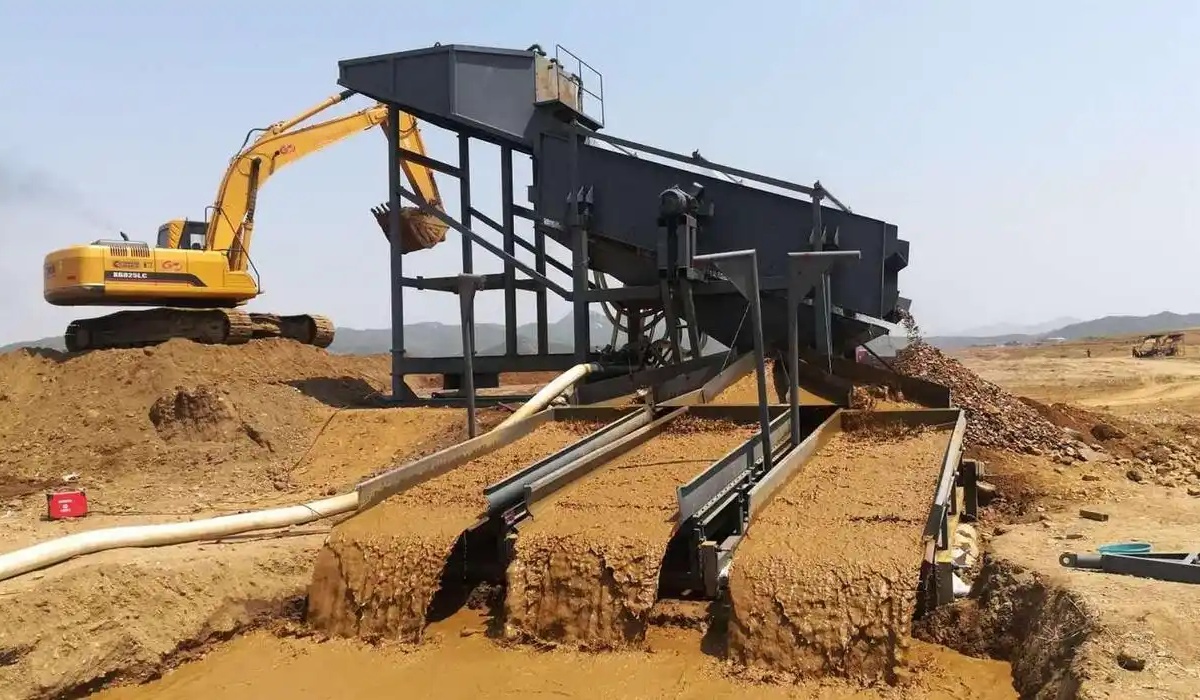
Unlike hard-rock mining, placer gold is already liberated by nature. It is found mixed with river gravel, sand, and soil. Because no crushing or grinding is required, the operational costs are significantly lower.
We design our wash plants based on your soil’s clay content and the particle size distribution of your gold. If you have heavy clay, we prioritize aggressive scrubbing; if you have fine gold, we prioritize high-G centrifugal recovery.
CSTMG Alluvial/Placer Gold Ore Plant Solutions:
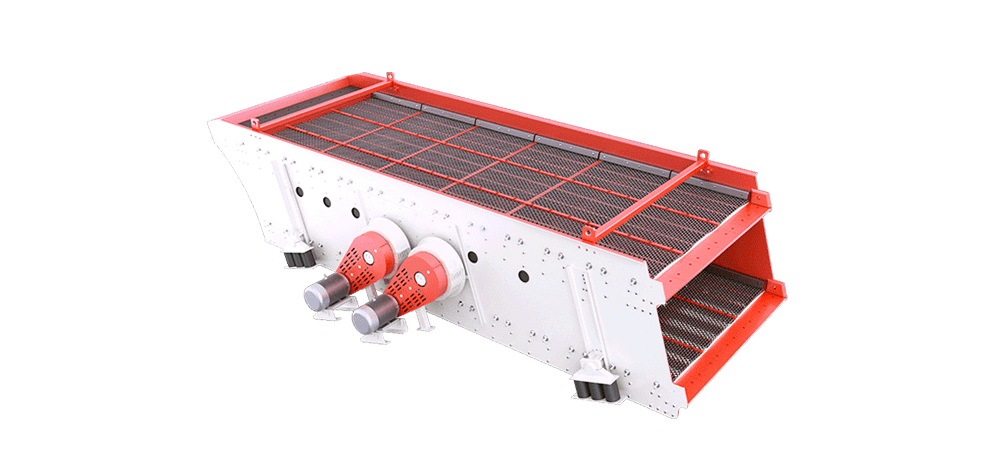
- Gold wash plant/trommel screen → gold sluice box
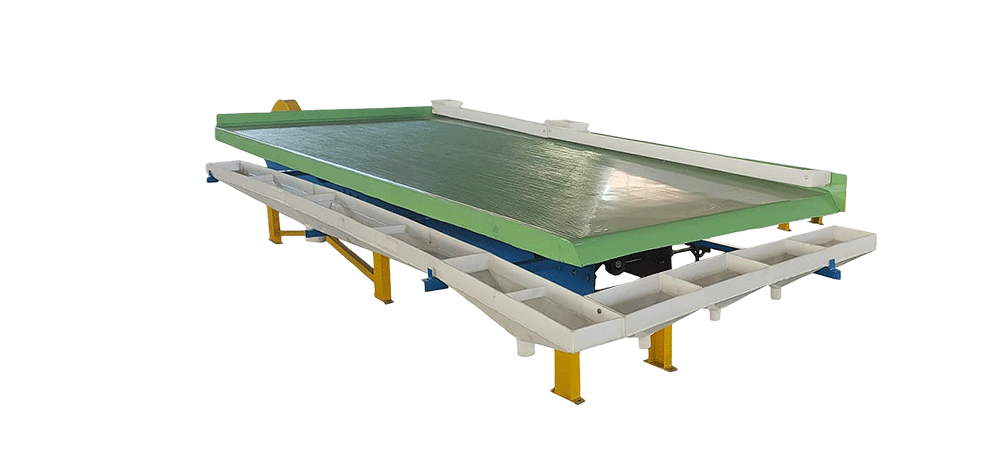
- Gold wash plant/trommel screen → shaker table → gold sluice box
- Gold wash plant/trommel screen → centrifuge machine → shaker table → gold sluice box
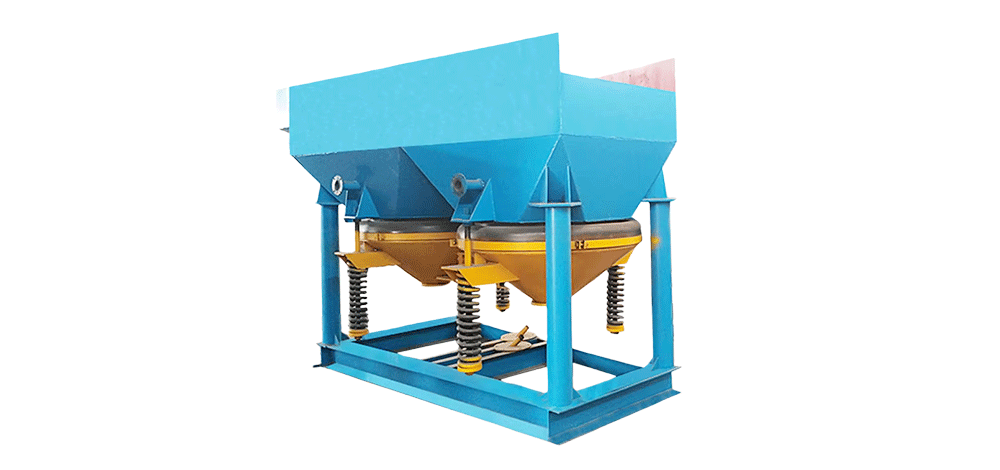
- Gold wash plant/trommel screen → jig machine → shaker table → gold sluice box
Hard Rock Gold Ore Plant

Eextracting microscopic gold locked inside solid quartz or sulfide rock is highly capital and energy-intensive.
From robust primary crushing to ultra-fine grinding, beneficiation, and final smelting, we engineer every stage to maximize your gold recovery while minimizing energy consumption.
CSTMG Alluvial/Placer Gold Ore Plant Solutions:
Oxide Gold
- Conveyor → jaw crusher → belt conveyor → hammer crusher → shaker table
- Gold wash plant/trommel screen → gold sluice box
Sulfide Gold
- Conveyor → jaw crusher → belt conveyor → hammer crusher → gravity separation
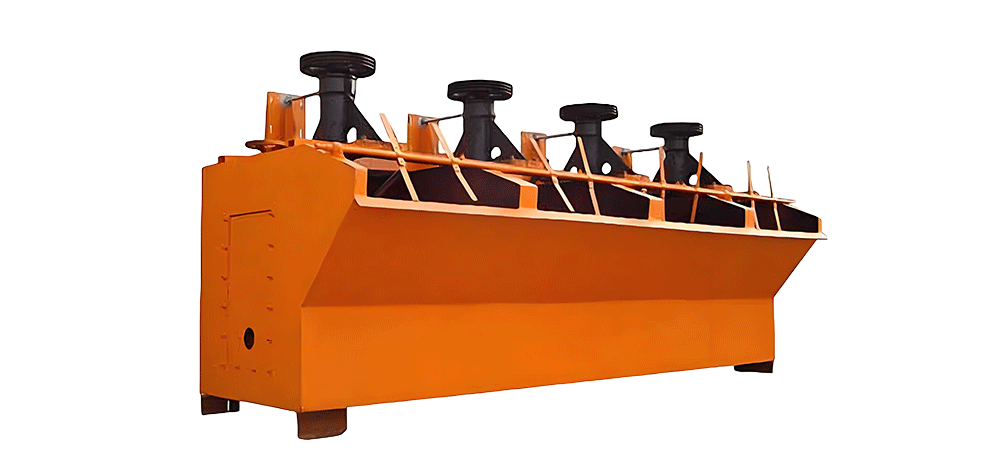
- Conveyor → jaw crusher → belt conveyor → hammer crusher → gravity separation → flotation machine
Oxide Gold +Sulfide Gold
- Conveyor → jaw crusher → belt conveyor → hammer crusher → gravity separation → flotation machine
- Conveyor → jaw crusher → belt conveyor → hammer crusher → ball mill → gravity separation → flotation machine
CSTMG Gold Extraction Process Solutions
| Solusi | Gold CIP Process Plant | Gold CIL Plant | Gold Flotation Plant | Gold Gravity Plant |
| Production Line |  |  |  |  |
| Applicable Ore | Slurry with fine-grained gold | Refractory ore where leaching and adsorption occur simultaneously | Sulfide-associated gold ore (e.g., pyrite, arsenopyrite) | Coarse-grained free gold ore (gold particles visible to the naked eye) |
| Core Principle | Activated carbon adsorbs gold cyanide complexes from pulp. | Leaching and carbon adsorption are integrated in the same tank to reduce gold loss. | Gold-bearing sulfides attach to air bubbles and separate from gangue via chemical reagents. | Utilizes density differences between gold (19.3 g/cm³) and gangue minerals (2.65 g/cm³) to separate gold. |
| Key Equipment | Leaching tank, activated carbon column, elution column | CIL tank | Flotation machine, agitator tank, reagent feeder | Jig concentrator, shaking table, spiral concentrator, centrifugal concentrator |
| Advantage | Continuous operation, high gold loading capacity. | Short process flow, low reagent consumption | Effective for fine-grained refractory ore; high recovery rate for sulfide ores. | Low cost, no chemicals, high efficiency for free gold. |
| Process Flow | Leaching → Carbon adsorption → Elution → Electrowinning | Ore grinding → Leaching + carbon adsorption → Elution → Electrowinning | Ore grinding → Pulp conditioning → Flotation → Gold concentrate | Ore crushing → Screening → Gravity separation → Gold concentrate |
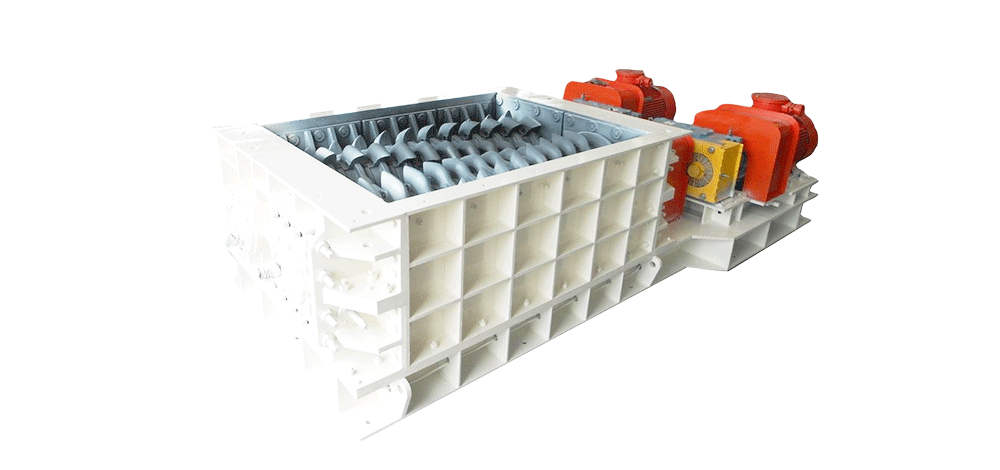
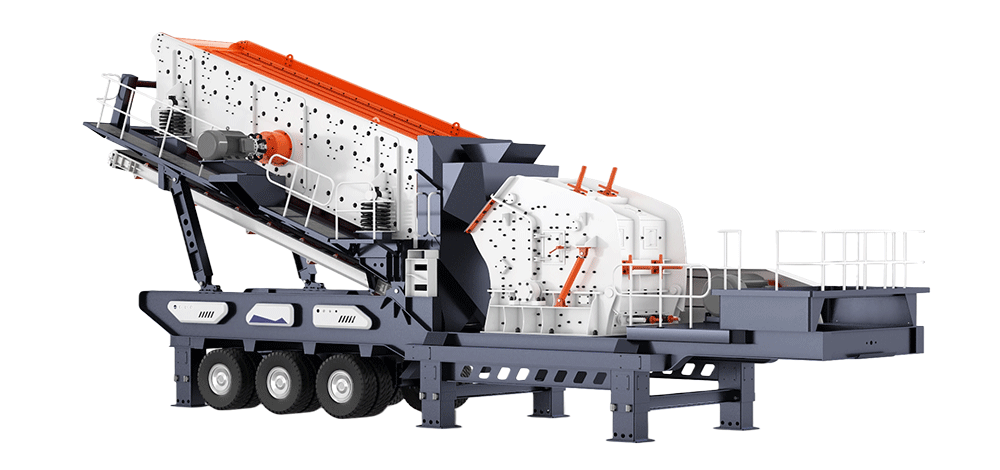
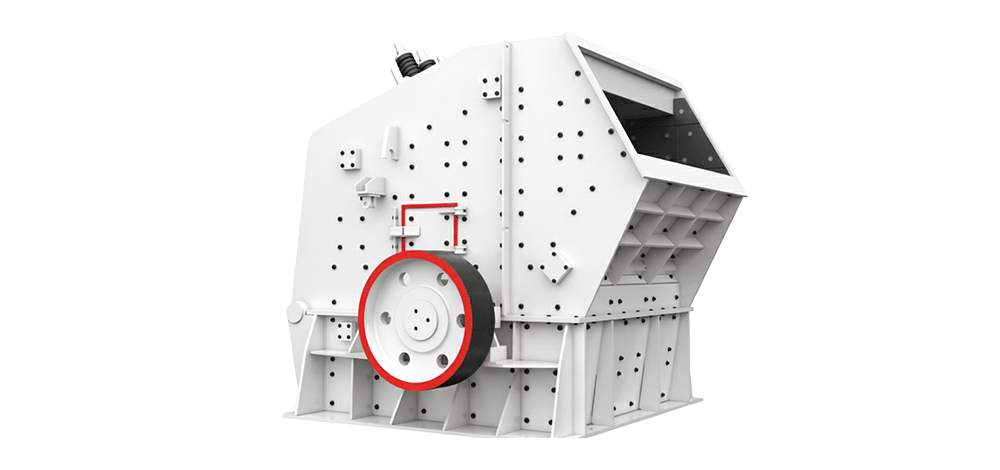
CSTMG Gold Ore Plant Equipment









Global Market Solutions: Regional Expertise and Commercial Needs
From the first crush to the final pour, our commitment is to provide you with reliable, high-efficiency gold mining equipment and support. Don’t leave your profits in the tailings—let our experts match you with the precise new gold mining equipment you need for guaranteed results and maximum profitability. Contact us today to start your project.


How Does A Gold Ore Plant Work?
A gold ore plant is a specialized facility designed to extract gold from raw ore through a series of physical, chemical, and mechanical processes. The workflow varies slightly based on the type of gold ore (oxide ore, sulfide ore, or refractory ore), but the core process follows a standard sequence: ore preparation → gold separation → gold recovery → tailings disposal. Below is a detailed, step-by-step explanation of how it works, including key processes and equipment.
1. Ore Preparation (Crushing & Grinding)
The first stage is to reduce raw ore to a fine particle size, which exposes gold particles and enables effective separation. This stage has two sub-steps:
Step 1: Crushing & Screening
- Raw ore is transported from the mine to the plant via trucks or conveyors.
- Vibrating feeders evenly feed the ore into a jaw crusher (primary crusher) to break large rocks into smaller pieces (50-150mm).
- The crushed ore then goes to a cone crusher or impact crusher (secondary/tertiary crusher) to reduce the size to 10-20mm.
- A vibrating screen separates the ore into uniform particles; oversized particles are recrushed, and qualified particles move to the grinding stage.
Step 2: Grinding & Classifying
- The crushed ore is fed into a ball mill (the core grinding equipment), which grinds the ore into a fine slurry (typically 70-80% passing 200 mesh). This ensures gold particles are fully liberated from gangue (waste rock).
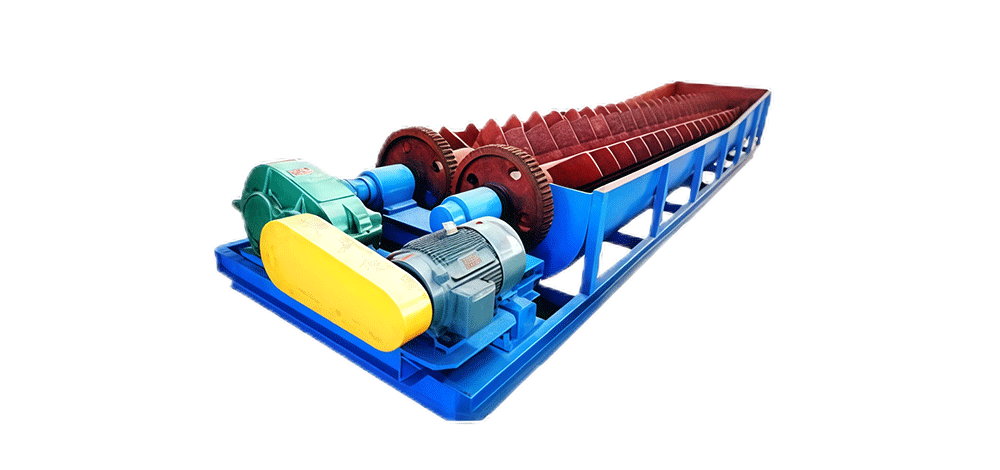
- A spiral classifier or hydrocyclone classifies the slurry: coarse particles return to the ball mill for regrinding, and fine, qualified slurry proceeds to the gold separation stage.
2. Gold Separation (Based on Ore Type)
This is the core stage, where gold is separated from the slurry. The method depends on the ore’s characteristics:
Option A: For Oxide Gold Ore (Most Common)
The most widely used processes are CIP (Carbon-in-Pulp) or CIL (Carbon-in-Leach), both based on cyanide leaching:
- Leaching: The qualified slurry is mixed with sodium cyanide (leaching agent) and lime (pH control) in leaching tanks. Gold reacts with cyanide to form soluble gold cyanide complexes ([Au(CN)₂]⁻).
- Adsorption: Activated carbon is added to adsorb the gold cyanide complexes from the slurry.
- CIP: Leaching and adsorption are performed in separate tanks (leaching first, then adsorption).
- CIL: Leaching and adsorption happen simultaneously in the same tanks, reducing gold loss.
- Loaded Carbon Separation: Screens (vibrating/curved screens) separate the loaded carbon (gold-loaded activated carbon) from the barren slurry (tailings slurry).
Option B: For Sulfide Gold Ore
Sulfide ores are refractory (gold is trapped in sulfide minerals like pyrite), so flotation is used first:
- Flotasi: The ground slurry is mixed with flotation reagents (collectors, frothers) in a flotation machine. Gold-bearing sulfide minerals attach to air bubbles and float to the surface, forming a gold concentrate.
- Oxidation: The gold concentrate is treated via roasting, bio-oxidation, or pressure oxidation to break down sulfide minerals and expose gold particles.
- Cyanide Leaching: The oxidized concentrate is then processed with cyanide leaching (CIP/CIL) to dissolve gold.
Option C: For Low-Grade Oxide Ore
Heap leaching is a low-cost, large-scale method:
- Low-grade ore is stacked into large heaps on an impermeable pad.
- Dilute cyanide solution is sprayed over the heap, and the solution percolates through the ore, leaching gold into a pregnant leach solution (PLS).
- The PLS is collected and treated with activated carbon to adsorb gold, then recycled back to the heap.
3. Gold Recovery (From Loaded Carbon)
Loaded carbon contains gold cyanide complexes, which are processed to extract pure gold via three key steps:
Step 1: Elution (Desorption)
- Loaded carbon is placed in an elution column (stripping column) and washed with a hot eluent (sodium cyanide + sodium hydroxide solution).
- Gold cyanide complexes desorb from the carbon into the eluent, producing a high-concentration gold solution (pregnant eluate).
Step 2: Electrowinning
- The pregnant eluate is pumped into an electrowinning cell, where an electric current is applied. Gold ions are reduced to metallic gold, depositing on the cathode as gold mud (gold concentrate with 90%+ gold content).
- Barren eluate is recycled back to the elution column.
Step 3: Smelting & Refining
- Gold mud is filtered, dried, and melted in a smelting furnace (e.g., induction furnace) with fluxes (borax, silica).
- The molten gold is cast into crude gold bars, which are further purified via electrolytic refining to produce 99.99% pure gold bullion.
4. Tailings Disposal & Water Recycling
- The barren slurry (tailings) after gold separation is thickened in a thickener and pumped to a tailings dam for storage.
- Process water (from thickeners, filters, and tailings dams) is recycled back to the plant to reduce water consumption and environmental impact.
5. Auxiliary Systems
A gold ore plant also relies on critical support systems:
- Reagent Dosing System: Precise addition of cyanide, flotation reagents, lime, and other chemicals.
- Material Handling Systems: Conveyors, pumps, hoists for transporting ore, slurry, and activated carbon.
- Automation & Control System: PLC systems monitor slurry density, pH, temperature, and flow rates to ensure process stability.
- Environmental Protection Systems: Dust collectors, wastewater treatment units, and gas scrubbers to comply with environmental regulations.
The whole gold ore process workflow is: Raw Ore → Crushing → Grinding → Leaching/Flotation → Adsorption → Elution → Electrowinning → Smelting → Pure Gold
This efficient, multi-stage process ensures maximum gold recovery while minimizing costs and environmental impact, tailored to the specific properties of the gold ore being processed.
What Is the Cost Of Building A Gold Ore Plant?
The cost to build a gold processing plant varies widely, driven primarily by capacity (TPD), ore type (oxide/sulfide/refractory), technology (CIP/CIL/flotation/heap leach), location, dan environmental/automation requirements. Below is a 2025–2026 cost breakdown for common scales and configurations, with key drivers and typical ranges.
1. Cost Range by Plant Scale (CIP/CIL, Most Common for Oxide Ore)
| Plant Scale | Capacity (TPD) | Total Capital Cost (USD) | Key Notes |
|---|---|---|---|
| Mini/Pilot | 10–50 | $0.8–2.5M | Manual control, basic crushing/grinding, small elution/electrowinning |
| Small | 100–300 | $2.5–8M | Semi-automated, standard CIP circuit, basic tailings |
| Medium | 500–1,000 | $8–30M | Full automation, robust CIP/CIL, environmental compliance |
| Large | 2,000–5,000 | $30–100M+ | Integrated refractory treatment (roasting/bio-oxidation), high-end EPC |
| Mega | 10,000+ | $100M–$200M+ | Complex infrastructure, brownfield/expansion, global standards |
- Small-scale example: A 30 TPD CIP plant in West Africa ~$1.5M (basic leaching tanks, carbon columns).
- Large-scale example: A 500 TPD CIP plant in Australia ~$30M (full automation, waste treatment).
- Refractory/sulfide ore: Adds 30–80% cost for oxidation (roasting/bio-oxidation/pressure oxidation).
2. Cost Breakdown (Typical Medium-Scale CIP Plant, 500 TPD)
Total: ~$15–25M (2025 USD)
| Cost Component | % of Total | Typical Range (USD) | |
|---|---|---|---|
| Equipment & Installation | 35–50% | $5.25–12.5M | Crushers, ball mills, CIP tanks, elution/electrowinning, pumps |
| Civil/Infrastructure | 25–35% | $3.75–8.75M | Plant buildings, tailings dam, access roads, utilities |
| Environmental & Compliance | 12–18% | $1.8–4.5M | TSF, water treatment, dust control, permits |
| Engineering & Owner’s Costs | 10–15% | $1.5–3.75M | Design, EPC, permits, training, contingency |
| Land & Site Prep | 5–10% | $0.75–2.5M | Land acquisition, grading, utilities |
3. Key Cost Drivers
- Modularity: Mobile/modular plants reduce CAPEX by 15–30% for small-to-medium scales.
- Capacity & Scale: Economies of scale apply—larger plants have lower $/ton capital cost but higher absolute investment.
- Ore Type: Oxide ore: Lowest cost (CIP/CIL). Sulfide/refractory: Requires oxidation (roasting/bio-oxidation), +30–80% cost.
- Technology & Automation: Full PLC/automation adds 10–20% upfront but reduces OPEX.
- Location: Remote areas have lower land costs but higher infrastructure/transport costs.
- Environmental Rules: Strict TSF/water treatment requirements add 12–18% of total cost.
Pertanyaan Sekarang
Untuk membantu kami merekomendasikan solusi mineral sizer yang optimal untuk operasi Anda, mohon berikan:
- lokasi dan aplikasi proyek Anda;
- jenis bahan, ukuran umpan, kelembapan dan kekerasan;
- kapasitas yang dibutuhkan dan target ukuran output; tantangan peralatan saat ini (jika ada);
- dan persyaratan khusus apa pun seperti pengendalian debu atau keterbatasan ruang.
Menyertakan detail kontak Anda akan memungkinkan teknisi kami untuk menyiapkan proposal yang disesuaikan dengan spesifikasi peralatan, rekomendasi tata letak, dan estimasi kinerja dalam waktu 24 jam.
Untuk layanan tercepat, lampirkan laporan uji material atau foto lokasi yang tersedia untuk pertanyaan Anda.
