
Coal Washing Plant
CSTMG Coal Washing and Preparation Plant is a high-efficiency, industrial-grade solution designed to transform raw run-of-mine coal into high-value, standardized fuel. Marketed primarily as a modular and energy-efficient system, CSTMG plants are engineered to maximize recovery while reducing the operational costs associated with traditional washeries.
Raw Coal Feeding and Initial Crushing
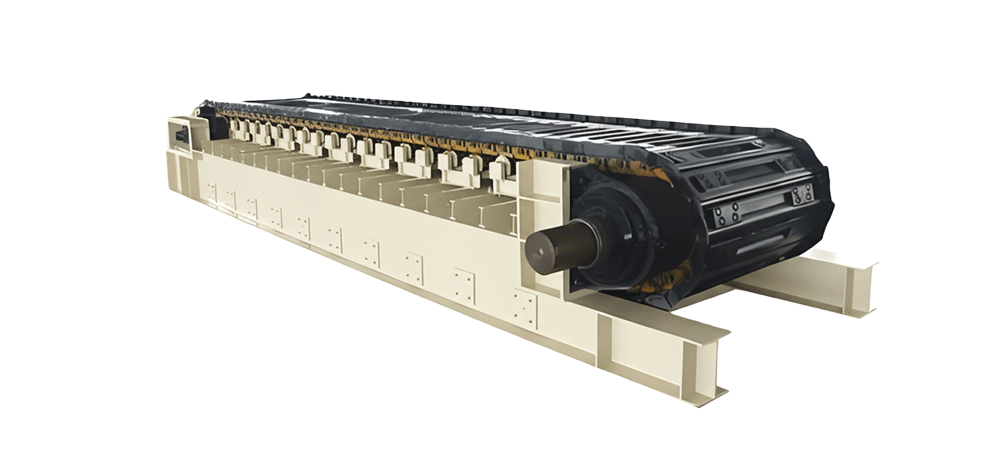
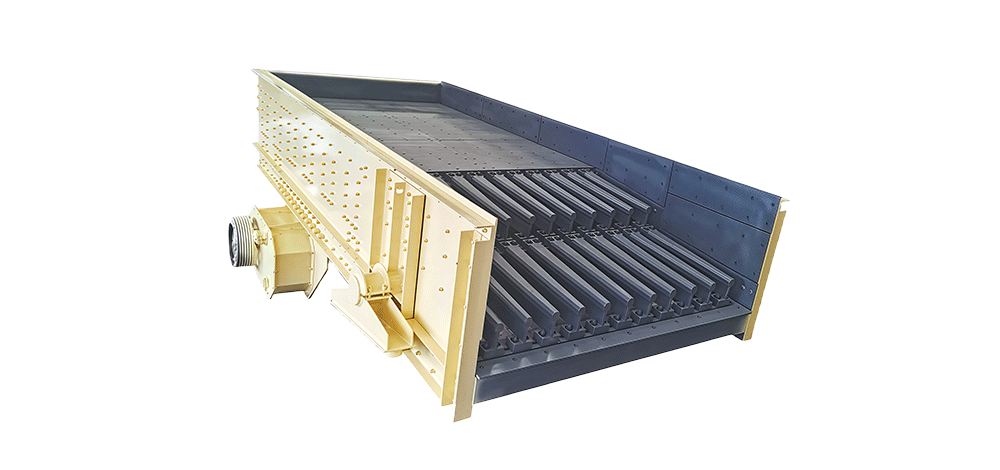
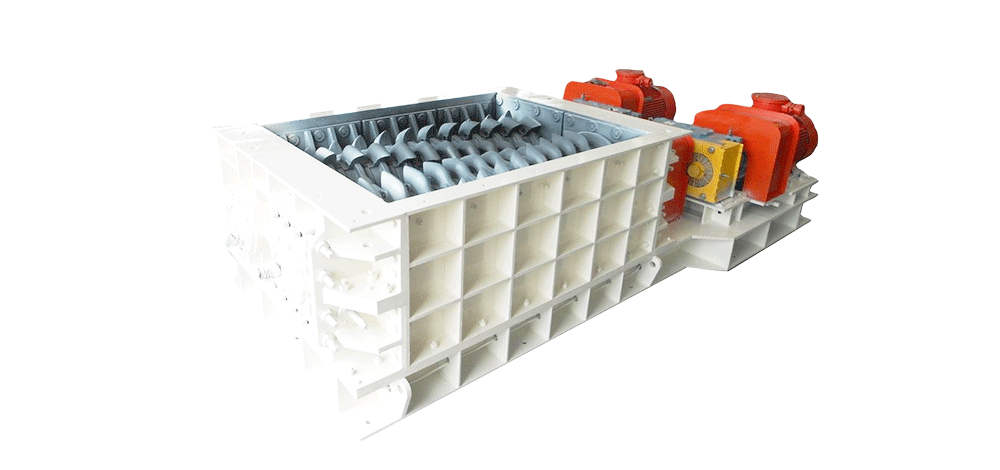
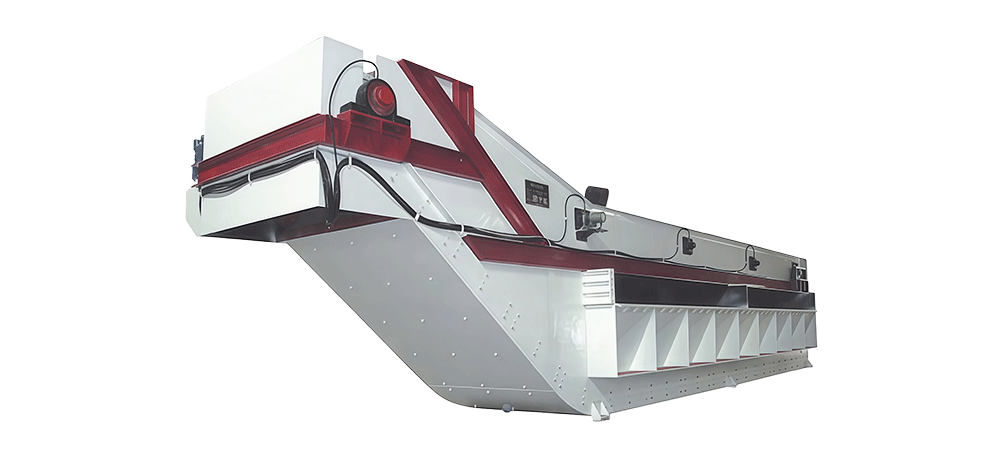
The process begins at the Receiving and Feeding stage, where Run-of-Mine coal is discharged into large hoppers. From there, Apron Feeders or vibrating feeders transport the raw material at a controlled rate into the Primary Crushers or Mineral Sizers. The role of these machines is to break down oversized lumps of coal and rock into a more manageable and uniform size, typically under 50mm or 100mm.
This initial reduction is crucial because it “liberates” the coal from the attached stone and ensures that the downstream washing equipment can operate without clogging or mechanical failure.


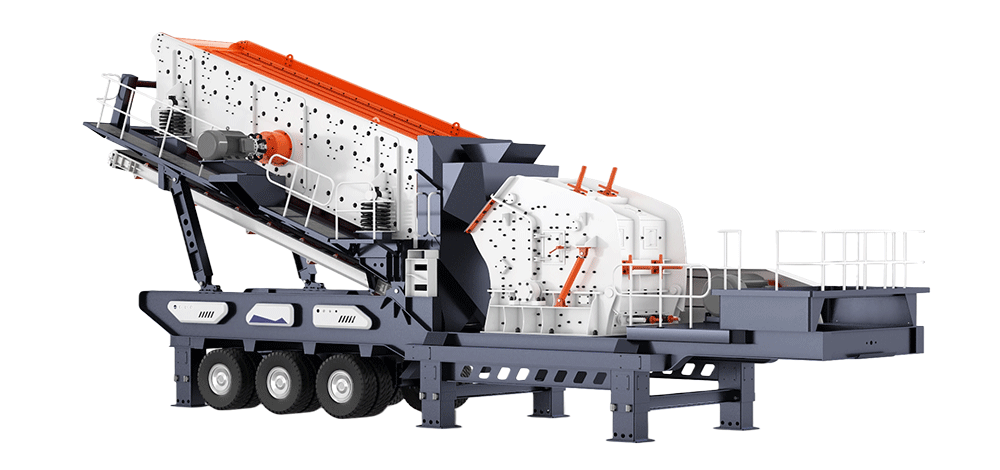
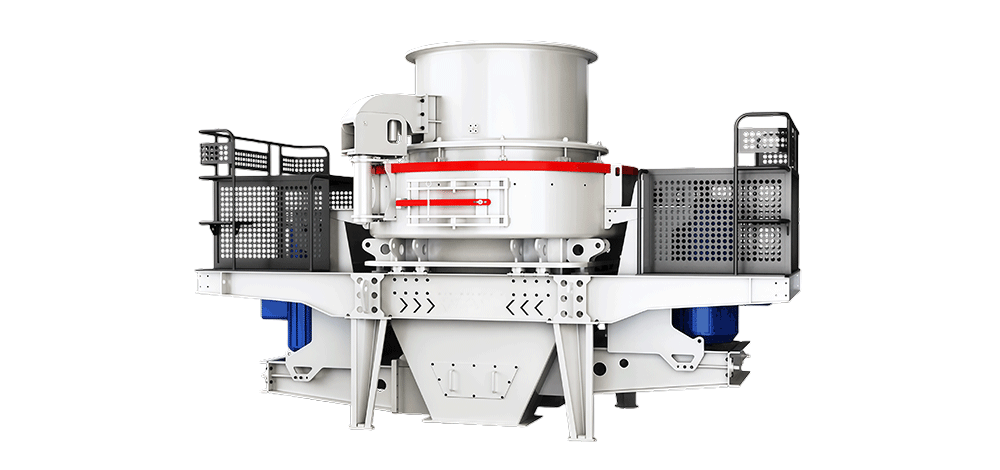

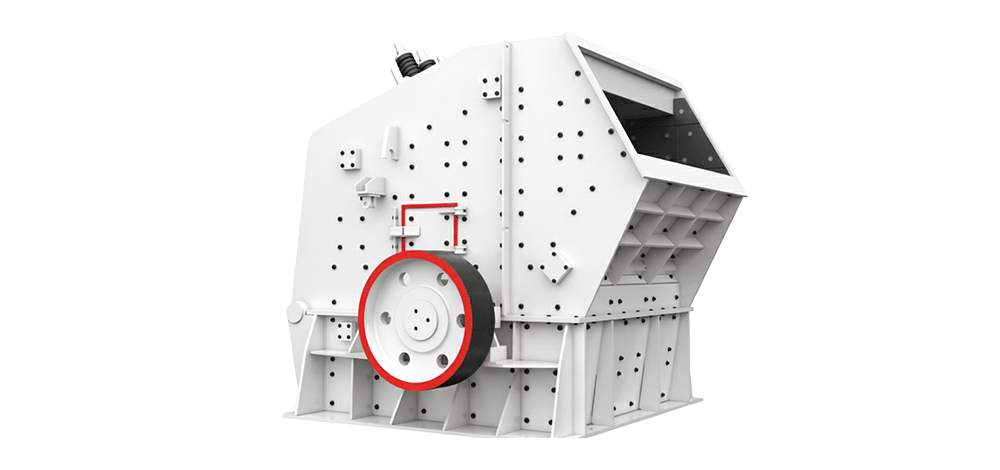


Sizing and Classification
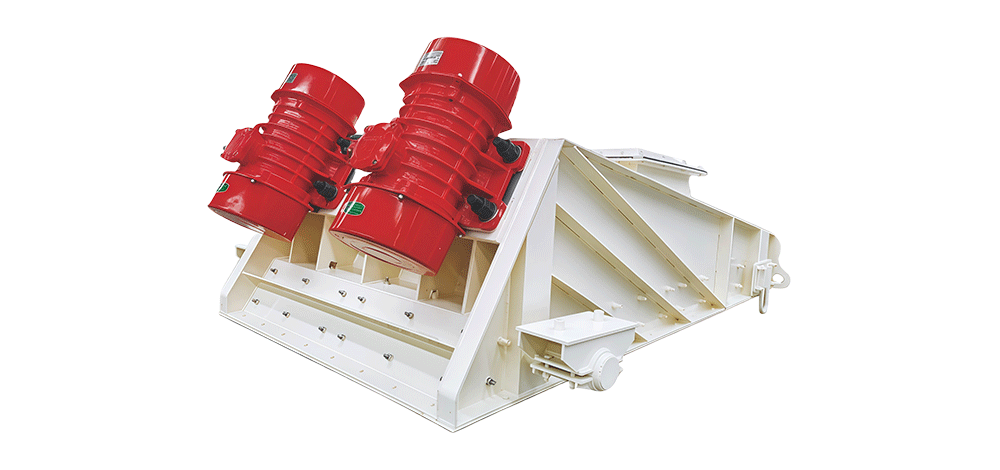
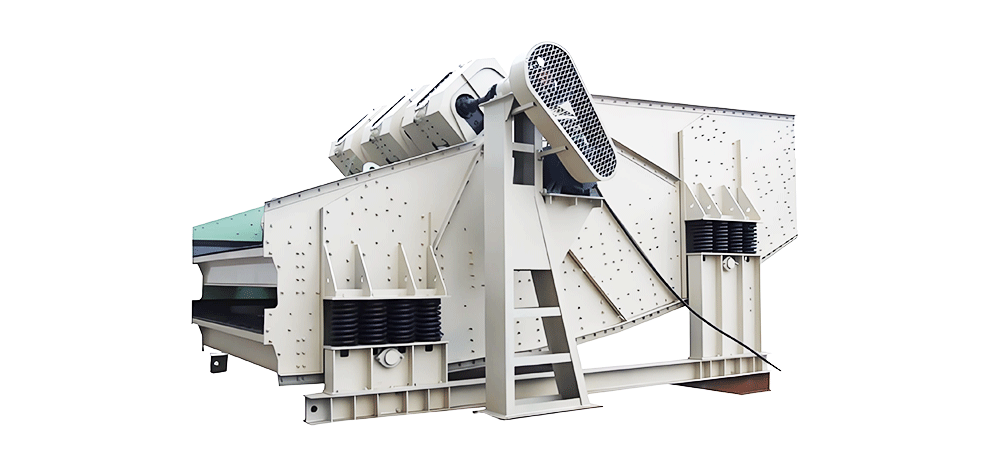
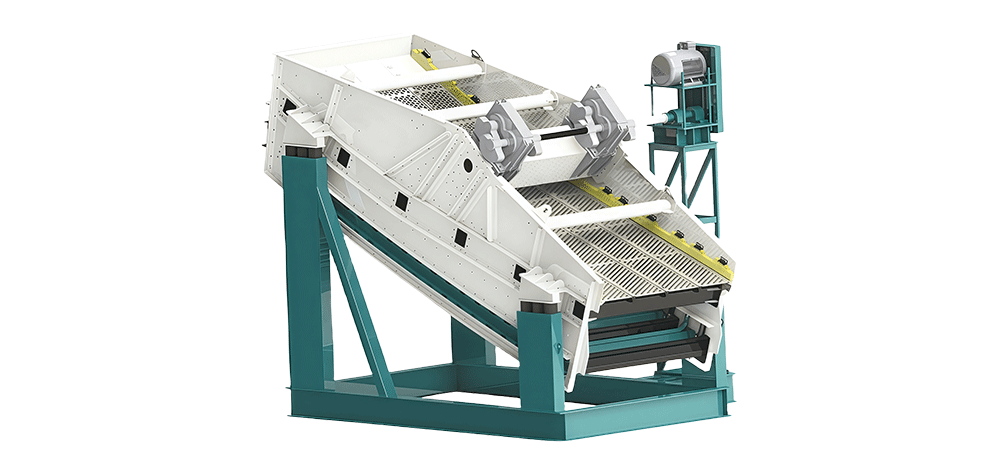
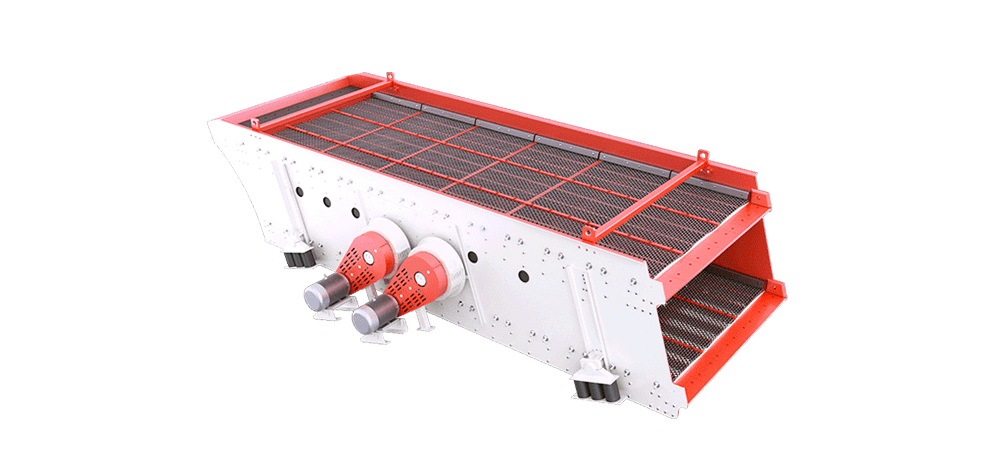
Once the coal is crushed, it moves to the Screening stage, which acts as the sorting brain of the plant. Large Vibrating Screens (often referred to as Banana Screens due to their curved shape) utilize high-frequency oscillations to sort the coal into different size fractions, such as coarse, small, and fine.
This step is essential because a single washing method cannot effectively clean all sizes of coal at once. By classifying the coal into specific streams, the plant can direct each size to the specific machinery best suited to process it, maximizing the efficiency of the separation process.



Coarse and Small Coal Separation
The core of the plant is the Beneficiation or Separation stage, where the actual “washing” occurs.
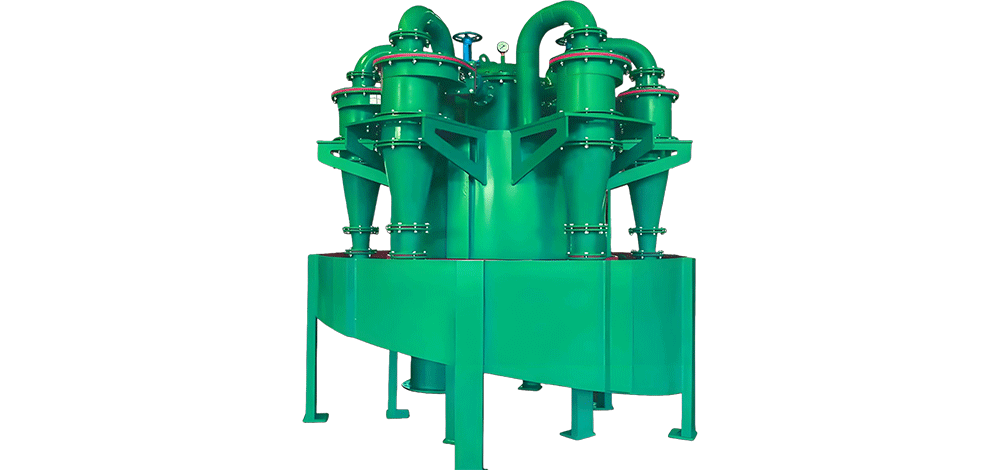
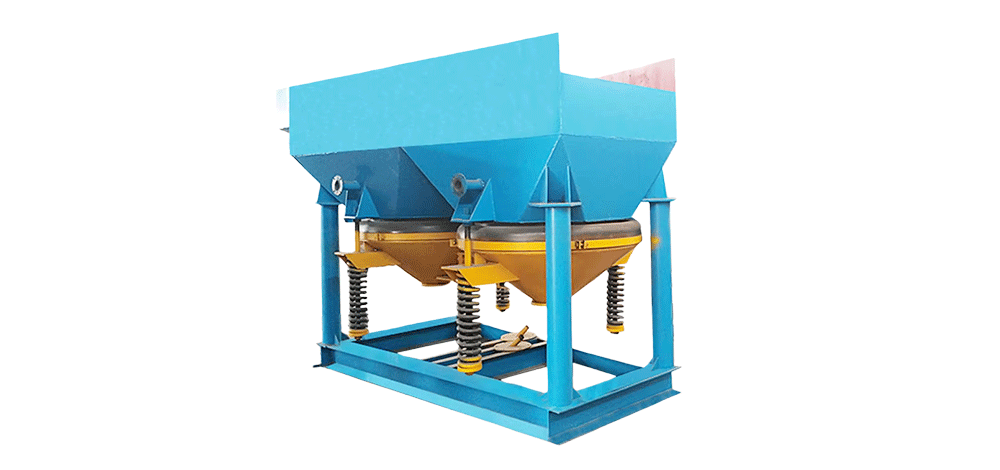
For larger coal pieces, Heavy Medium Vessels or Jigs are used. In a Heavy Medium Vessel, a slurry of water and magnetite is used to create a liquid with a specific density that allows clean coal to float while heavy rocks sink.
For smaller particles, Heavy Medium Cyclones are employed; these use centrifugal force to accelerate the separation process.
These machines are the most critical components of the plant, as they are responsible for removing the bulk of the ash and sulfur, directly increasing the coal’s market value.
Fine Coal Recovery
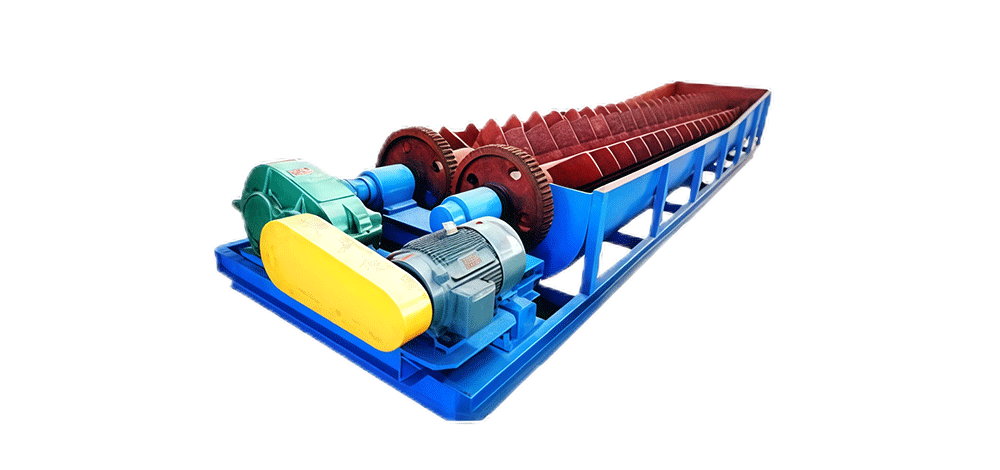
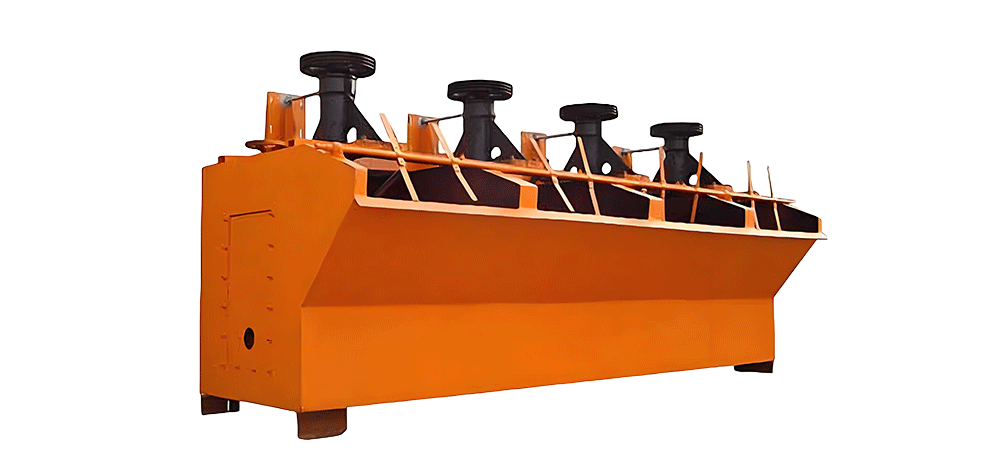
Fine coal particles that are too small for cyclones are processed in the Fine Coal Circuit, which typically utilizes Spirals or Froth Flotation Cells.
Spirals work by allowing the coal slurry to flow down a helical path, where centrifugal force pushes the heavier waste particles to the outer edge while the lighter coal stays near the center.
For the absolute smallest dust particles, Froth Flotation Cells introduce air bubbles and chemical reagents into the water; the coal sticks to the bubbles and floats to the surface as a froth, while the inorganic impurities remain submerged and are discarded as tailings.
Dewatering and Drying
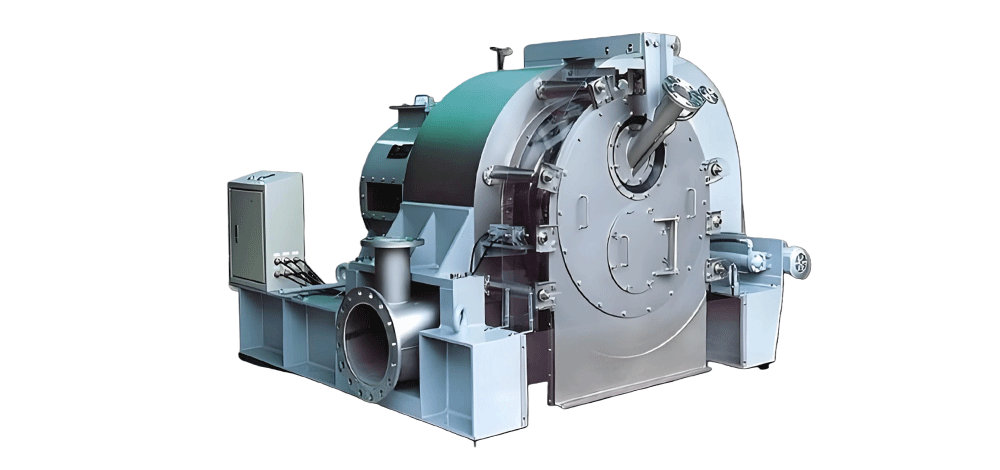
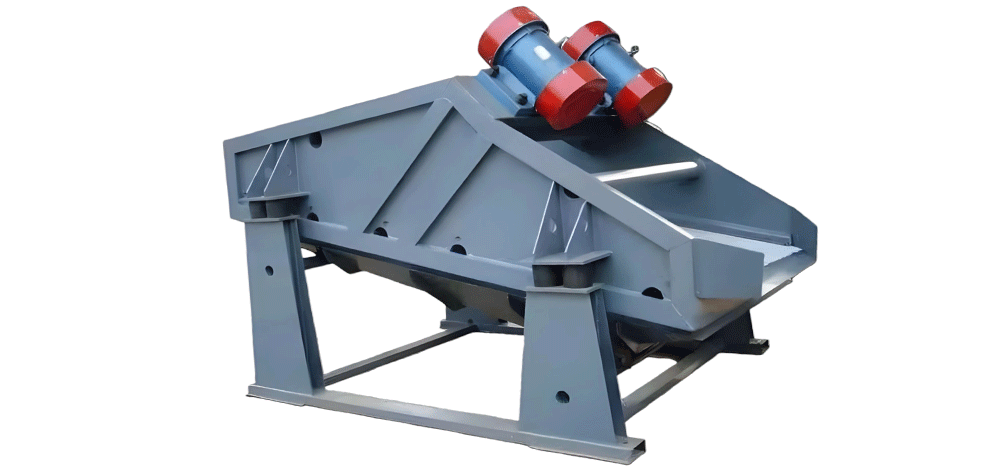
Because the washing process involves vast amounts of water, the coal must be dried before it can be sold. The Dewatering stage utilizes Centrifuges и Dewatering Screens to remove moisture.
Centrifuges act like giant industrial spin-dryers, using high-speed rotation to “sling” water off the coal particles. This equipment is vital for the economics of the mine, as reducing the moisture content significantly lowers transportation costs—preventing the company from paying to ship water—and ensures the coal meets the moisture specifications required by power plants and steel mills.
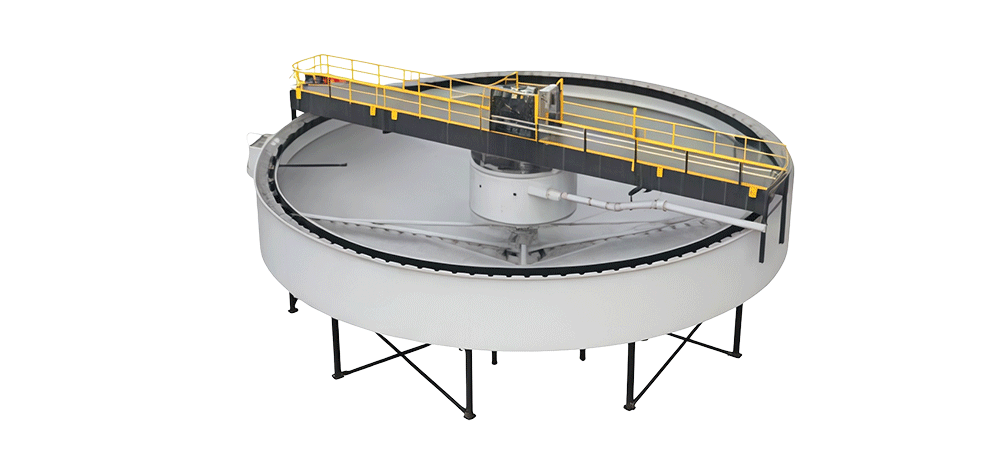
In the final stage, the plant focuses on environmental and resource efficiency through a Closed-Loop Water System. The “dirty” water used throughout the process is sent to a Thickener, a massive circular tank where chemical flocculants are added to make fine silt particles clump together and sink.
The clear water is siphoned off the top and pumped back to the start of the plant for reuse. Meanwhile, the thickened sludge at the bottom is pumped into a Filter Press, which squeezes the remaining water out to create solid “filter cakes” of waste rock (refuse), which can then be safely transported back to the mine for land reclamation.
Global Market Solutions: Regional Expertise and Commercial Needs
From the first crush to the final pour, our commitment is to provide you with reliable, high-efficiency gold mining equipment and support. Don’t leave your profits in the tailings—let our experts match you with the precise new gold mining equipment you need for guaranteed results and maximum profitability. Contact us today to start your project.
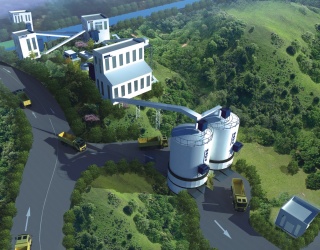
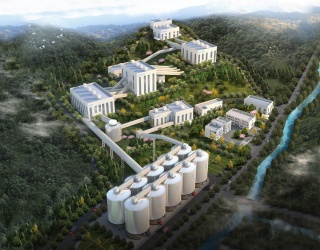

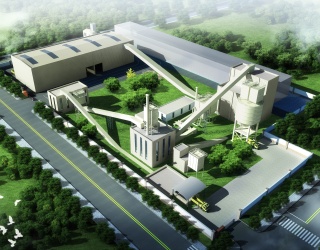
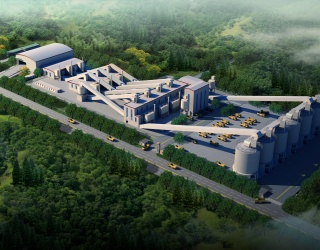


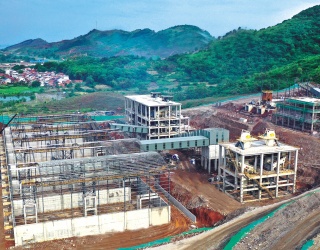

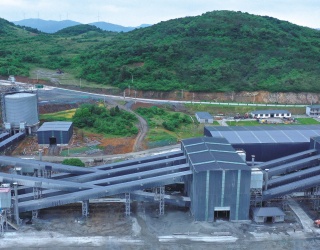


What Does A Coal Washing Plant Do?
A coal washing plant is an industrial facility that acts as a “refinery” for raw coal. When coal is first dug out of the ground—called Run-of-Mine (ROM) coal—it is a messy mixture of actual coal, rock, soil, clay, and minerals like sulfur and ash.
The primary job of the plant is to take this raw mixture and transform it into a high-quality, standardized fuel that meets the specific needs of power plants, steel mills, and export markets.
Here is a breakdown of exactly what the plant does:
1. Removing Impurities
The most important task is separating coal from non-combustible materials.
- Mineral Waste: It removes rocks, shale, and clay that were dug up during the mining process.
- Chemical Impurities: It removes significant amounts of sulfur and ash. By removing these at the plant, the coal burns much cleaner, releasing fewer pollutants (like sulfur dioxide) into the atmosphere.
2. Sizing and Sorting
Coal is not a “one size fits all” product. Different industrial machines require different sizes of coal to operate efficiently.
- Crushing: Large, unusable boulders are crushed into manageable chunks.
- Screening: The plant uses massive vibrating screens to sort the coal into “fractions”—such as coarse coal (large chunks), small coal, and fine coal (dust).
3. Improving Energy Density
By removing the rocks and ash that don’t burn, the plant increases the coal’s calorific value (the amount of heat it produces). This makes the coal “richer.”
A single ton of washed coal provides much more energy than a ton of raw coal because the “filler” material has been stripped away.
4. Creating Quality Tiers (Blending)
Not all coal from a single mine is the same. The plant can “sort” the coal into different grades for different customers:
- Coking/Metallurgical Coal: Extremely high purity, used for making steel.
- Thermal Coal: High energy, used in power plants to create electricity.
- Middlings: Lower-grade coal used for local industrial boilers or cement kilns.
- Refuse/Coal Tailings: The final waste (rock and dirt) that is sent back to the mine for land reclamation.
5. Managing Logistics and Moisture
Raw coal can be very wet and heavy. The washing plant uses high-speed centrifuges (similar to the spin cycle on a laundry machine) to fling the water out.
- Обезвоживание makes the coal lighter, which drastically lowers transportation costs because the mining company isn’t paying to ship “wet rocks” across the ocean or country.
Coal Washing Plant Принцип работы
Coal washing plant is designed to remove impurities such as gangue, pyrite, and shale from raw coal, and classify coal into different grades according to quality indicators like ash content, sulfur content, and calorific value.
Its core working principle is based on the density difference, surface property difference, and particle size difference between clean coal and impurities, with water or heavy medium suspension as the separation medium to achieve efficient separation of coal and impurities.
The entire working process is a continuous and systematic operation, which can be divided into three key stages: pretreatment, separation, and post-processing.
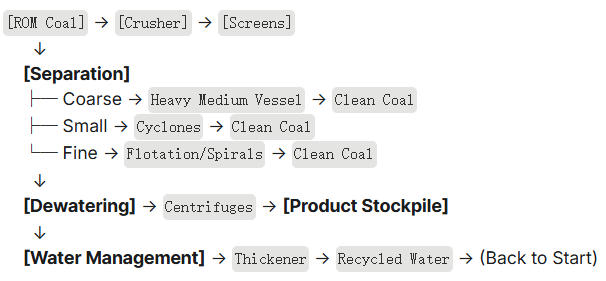
Pretreatment Stage: Homogenization and Particle Size Adjustment
The pretreatment stage is the foundation for ensuring the smooth progress of the subsequent separation process, and its main purpose is to adjust the raw coal to a state suitable for separation.
Raw coal mined from the mine usually contains large pieces of gangue, wood, ironware, and other sundries, and the particle size varies greatly, which will directly affect the separation accuracy and efficiency.
First, the raw coal is transported to the coal storage yard through belt conveyors, and different batches of raw coal are mixed evenly in the pre-homogenization silo to avoid the impact of unstable raw coal quality on the final product.
Then, the homogenized raw coal is sent to the vibrating screen for grading. The coal particles with particle size meeting the separation requirements (generally below 50mm) directly enter the next stage, while the oversize raw coal is sent to jaw crushers or hammer crushers for crushing.
The crushing process strictly controls the particle size to prevent over-crushing, because excessive fine coal particles will increase the difficulty of subsequent separation and the loss of clean coal.
During screening and crushing, magnetic separators and debris separators are used to remove ironware and wood chips in the raw coal to avoid damaging the subsequent separation equipment.
After pretreatment, the raw coal has uniform particle size and stable quality, laying a solid foundation for the efficient separation of the next stage.
Core Separation Stage: Impurity Removal and Classification Based on Physical Differences
The separation stage is the core link of the coal washing plant, and different separation technologies are adopted according to the particle size of coal and the actual production requirements, among which heavy medium separation, jigging separation, and flotation are the most widely used processes.
Heavy medium separation is the most commonly used technology for coarse and medium-grained coal separation due to its high separation accuracy.
The principle is to prepare a heavy medium suspension with stable density by mixing magnetite powder and water. The density of the suspension is controlled between the density of clean coal (about 1.3-1.4g/cm³) and the density of gangue (about 1.8-2.0g/cm³).
When the pretreated coal enters the heavy medium cyclone or heavy medium separator, under the action of centrifugal force or gravity, coal particles with lower density than the suspension float up and are discharged as clean coal products, while gangue and pyrite with higher density sink to the bottom and are discharged as tailings.
The density of the heavy medium suspension is monitored and adjusted in real time by an automatic control system to ensure the separation accuracy with an error range controlled within ±0.01g/cm³.
For medium-grained coal, jigging separation is often used, which uses the periodic pulsation of water flow to make the coal particles and gangue layered according to density differences.
When the water flow rises, the coal particles and gangue are suspended; when the water flow drops, the gangue with higher density settles first, and the clean coal with lower density settles later, thus realizing the separation of coal and impurities.
For fine-grained coal particles (less than 0.5mm) that are difficult to separate by the above two methods, flotation technology is adopted. This technology uses the difference in surface hydrophobicity between clean coal and impurities: clean coal has strong hydrophobicity, while gangue has strong hydrophilicity.
When air bubbles are introduced into the flotation cell, clean coal particles will adsorb on the surface of the bubbles and float up to form a foam layer, which is scraped out as clean coal concentrate; impurities such as gangue will stay in the pulp and be discharged as tailings.
In actual production, coal washing plants often combine multiple separation processes to realize the full particle size coverage separation of raw coal.
Post-processing Stage: Dehydration, Medium Recovery and Product Preparation
After separation, the clean coal product still contains a lot of water and, in the case of heavy medium separation, adheres to magnetite powder medium. The post-processing stage is to treat the separated products to meet the requirements of storage, transportation and use.
First, the clean coal and tailings after separation are sent to the medium removal screen to separate most of the heavy medium suspension adhering to the surface. The separated medium suspension is sent back to the medium preparation system through the pipeline for recycling after being purified by the magnetic separator, with the medium recovery rate required to be above 99% to reduce production costs.
Then, the clean coal after medium removal is sent to the centrifugal dehydrator or vibrating dehydrator. Under the action of centrifugal force or gravity, the water in the clean coal is separated, and the moisture content of the clean coal is reduced to below 12%, which not only facilitates storage and transportation but also improves the calorific value of the coal product.
For the coal slime produced during the separation process, it is concentrated in the thickener first, and then sent to the filter press for dehydration to form coal slime cakes.
If the quality of the coal slime meets the standard, it can be mixed into the clean coal product; otherwise, it will be used as fuel or roadbed filling material.
Finally, the dehydrated clean coal is sent to the finished product silo for storage.
According to different quality indicators such as ash content and sulfur content, the clean coal is classified into different grades, and then transported to downstream users such as coking plants and power plants through belt conveyors or loading equipment.
At the same time, the wastewater generated in the entire process is collected and treated in the closed-circuit circulation system to realize zero discharge of wastewater, which meets the environmental protection requirements.
Why Invest in A Coal Washing Plant?
Buying a coal washing plant (also known as a coal preparation plant or coal washery plant, or a coal handling plant) is a strategic investment for mining companies and industrial users because it transforms “raw” coal into a higher-value, more efficient product.
1. Economic Benefits
- Reduced Transportation Costs: Raw coal often contains 25–40% impurities (rock, soil, and ash). Washing removes this “dead weight” at the mine site. Instead of paying to transport useless rock across the country, you only pay to ship high-energy coal.
- Higher Market Value: Cleaned coal (often called “washed” or “beneficiated” coal) sells at a significantly higher price than raw coal because it has a higher heating value.
- Increased Yield: Modern plants can recover fine coal particles that would otherwise be discarded as waste, maximizing the total output of a mine.
2. Operational Efficiency
- Improved Combustion: Washed coal has a lower ash content, which means it burns more consistently and efficiently. In power plants, this translates to more electricity generated per ton of coal.
- Reduced Wear and Tear: Impurities like silica and alumina in raw coal are highly abrasive. Using washed coal reduces the erosion of boilers, pulverizers, and conveyor systems, leading to lower maintenance costs and less downtime.
- Simplified Ash Handling: Because there is less ash in the coal to begin with, power plants have much less “bottom ash” and “fly ash” to collect, transport, and store in ash ponds.
3. Environmental Compliance
- Lower Emissions: Washing can remove up to 30–40% of the sulfur and 50–80% of the ash from coal. This significantly reduces emissions of sulfur dioxide (SO₂), nitrogen oxides (NOx), and particulate matter when the coal is burned.
- Regulatory Requirements: Many countries now have strict environmental laws that forbid the use of high-ash or high-sulfur coal. A coal washing plant allows a mine to meet these legal standards and avoid heavy fines.
- Water Recycling: Modern modular coal washing plants use closed-loop water systems, meaning they recycle most of the water used in the cleaning process, minimizing the impact on local water sources.
4. Market Competitiveness
- Meeting Industry Specs: Different industries require different coal “recipes.” For example, the steel industry requires coking coal with very specific, low-impurity levels. A coal washing plant allows you to “tune” their coal to meet the precise requirements of high-value buyers.
- Product Diversification: A single coal washing plant can sort coal into different grades (e.g., Grade A for export, Grade B for local power, and middlings for industrial boilers), allowing the owner to sell into multiple markets simultaneously.
Raw Coal vs. Washed Coal
| Raw Coal | Washed Coal | |
| Ash Content | High (25–45%) | Low (under 15%) |
| Heating Value | Low / Variable | High / Consistent |
| Shipping Cost | High (paying for rock) | Low (paying for energy) |
| Emissions | High (SO₂, Smoke) | Significantly Lower |
| Equipment Life | Short (high abrasion) | Long (low abrasion) |
Запрос сейчас
Чтобы мы могли порекомендовать оптимальное решение для минерального сортировщика для вашего предприятия, пожалуйста, укажите его:
- местоположение вашего проекта и приложение;
- тип материала, размер подачи, влажность и твердость;
- требуемая мощность и целевой объем производства; текущие проблемы с оборудованием (если таковые имеются);
- и любые особые требования, такие как борьба с пылью или ограничение пространства.
Указание ваших контактных данных позволит нашим инженерам подготовить индивидуальное предложение с техническими характеристиками оборудования, рекомендациями по расположению и оценкой производительности в течение 24 часов.
Для ускорения обслуживания приложите к запросу все имеющиеся отчеты об испытаниях материалов или фотографии объекта.
