
Lithium Ore Process Plant
In the mining industry, a high gold recovery rate is the absolute lifeline of mine profitability. Even a minor miscalculation in process selection can lead to catastrophic losses—sometimes leaving up to 30% to 40% of your gold trapped in the tailings.
CSTMG, a globally leading mineral processing equipment manufacturer and comprehensive system solution provider. We deliver full-lifecycle EPCO services.
Our core mission is to provide customized, highly efficient gold ore processing solutions. From the initial crushing and grinding stages to beneficiation and eco-friendly tailings management, we engineer every step to maximize your overall return on investment.
What Is Lithium Ore?
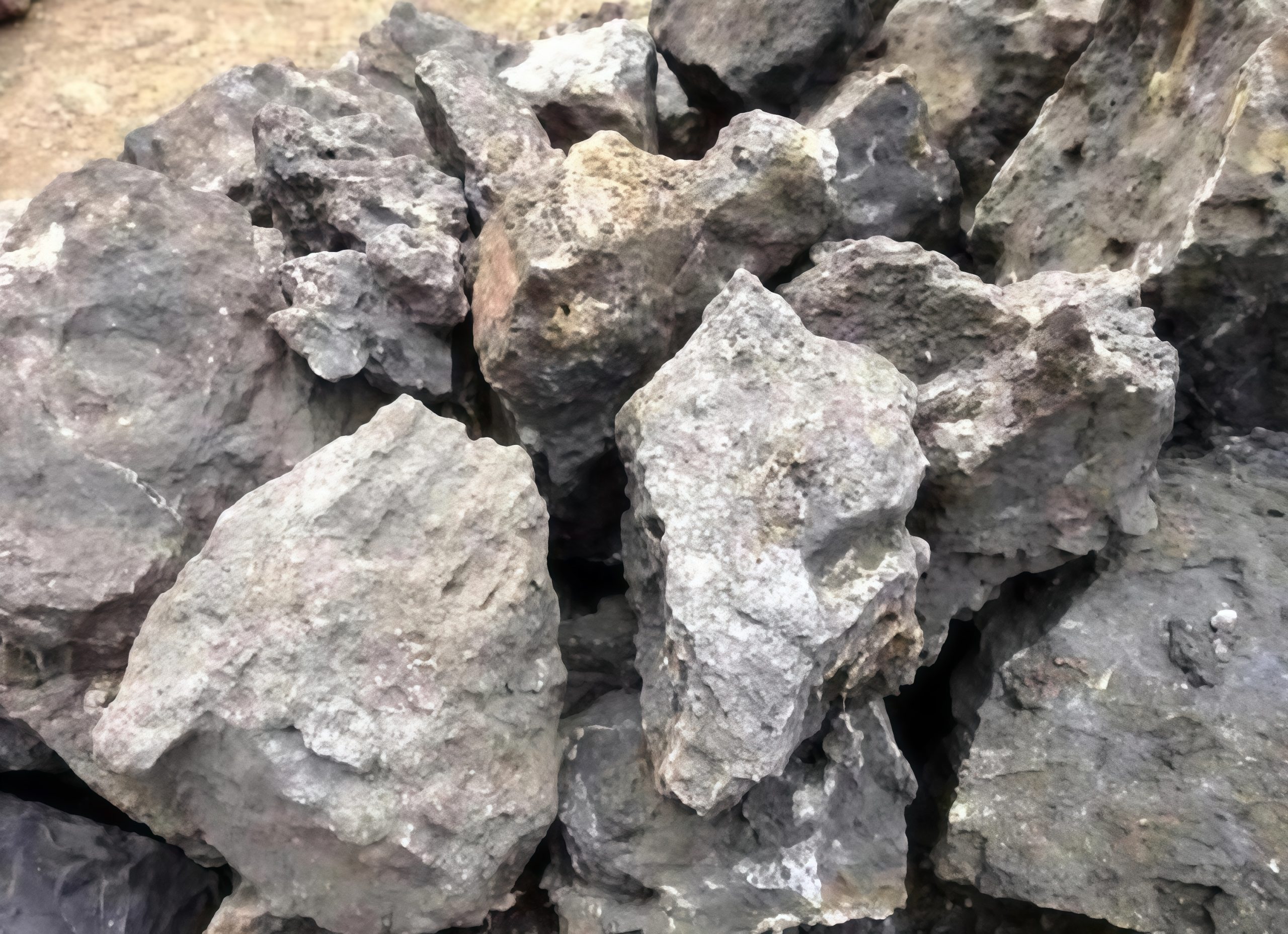
Lithium ore refers to naturally occurring rock or mineral deposit that contains lithium-bearing minerals in concentrations high enough to be economically mined and processed.
The most important minerals in lithium ore mining are spodumene (Li₂O·Al₂O₃·4SiO₂) and petalite (Li₂O·Al₂O₃·8SiO₂). Both minerals are found in granite pegmatites—igneous rocks characterized by their coarse-grained texture and mineral composition dominated by quartz, feldspar, and mica.
It is the raw material from which lithium metal, lithium carbonate, and lithium hydroxide are extracted — key ingredients used in batteries for electric vehicles, energy storage systems, and consumer electronics.
CSTMG Lithium Ore Plant Material Handling
Lithium ore is the primary raw material for lithium extraction, containing lithium-bearing minerals that power the global energy transition. The three main commercial sources are:
| Lithium Ore Type | Main Characteristics | Primary Process | Typical Processing Flow | Key Features & Index |
|---|---|---|---|---|
| Spodumene | • High lithium grade • Easy to beneficiate • Main hard rock lithium ore | Flotation + DMS | Crushing → Grinding → Classification → Positive Flotation → Thickening → Dewatering → Drying | • Li₂O concentrate grade: 5.5% – 7.5% • Recovery rate: 80% – 90% • Mature, stable flotation process |
| Lepidolite | • High mica & mud content • Contains Rubidium, cesium • More difficult to separate | Flotation + Magnetic | Crushing → Grinding → Desliming → Reverse flotation → Positive flotation → Dewatering | • Li₂O concentrate grade: 3.5% – 5.0% • Recovery rate: 65% – 78% • Must remove slime first |
| Petalite | • Low impurity • High melting point • Direct acid leaching possible • Rare but high value | DMS + Flotation | Crushing → Grinding → Gravity Separation → Magnetic Separation → Flotation → Drying | • Li₂O concentrate grade: 4.5% – 6.0% • Combined process for high purity • Less reliance on flotation |
| Mixed Lithium Ore | / | Combined Process | Variable | • Variable • Complex process |
Why Lithium Ore Beneficiation?
Lithium ore beneficiation is essential for three core reasons, closely linked to the ore’s properties and industrial application needs:
1. Improve Lithium Grade for Efficient Extraction
Raw lithium ore (e.g., spodumene, petalite) naturally has low lithium content—industrial raw ore typically contains only 1%-2% Li₂O, while spodumene concentrate needs to reach 6%-7.6% Li₂O to meet smelting requirements. Beneficiation (mainly flotation) removes gangue minerals (such as quartz, feldspar) and impurities, concentrating lithium-rich minerals to enhance the grade, which is the prerequisite for efficient extraction of lithium salts (lithium carbonate, lithium hydroxide).
2. Reduce Smelting Costs and Environmental Impact
Low-grade raw ore directly enters smelting (pyrometallurgy or hydrometallurgy) will consume more energy, reagents and water, increasing production costs significantly. Beneficiation reduces the volume of materials that need to be smelted, lowers energy consumption and reagent usage, and also reduces waste emissions (e.g., tailings, wastewater) during the smelting process, achieving more environmentally friendly production.
3. Ensure Industrial Application Quality
Impurities in raw lithium ore (such as iron, magnesium, and heavy metals) can affect the quality of downstream products. For example, in lithium-ion battery production, high-purity lithium raw materials are required to ensure battery performance and safety. Beneficiation effectively removes harmful impurities, ensuring that the processed lithium products meet the standards of battery, ceramic, metallurgical and other industries.
Lithium Ore Gravity Beneficiation Plant

Gravity separation exploits the natural density difference between lithium minerals and silicate gangue. Because no chemicals are required and water consumption is minimal, the operational costs are significantly lower and environmental impact is reduced.
We design our gravity circuits based on your ore’s liberation characteristics and particle size distribution. If you have coarse-liberated spodumene, we prioritize Dense Media Separation (DMS); if you have fine-grained lithium, we integrate spiral concentrators or shaking tables as scavenging stages.
- CSTMG Lithium Ore Gravity Plant Solution: Jaw crusher → cone crusher → DMS cyclone/drum → magnetic separator/spiral concentrator → dewatering screen/filter press
- Performance: Rejects 40–65% of waste rock upfront, reducing downstream flotation costs by 30–50%.
- Best Suitable For: Spodumene pegmatite (coarse-liberated, Li₂O 0.5–3.5%)
- Not Suitable For: Lithium clays (hectorite) or ultra-fine grained ores
Lithium Ore Flotation Beneficiation Plant

Flotation is a physico-chemical process that selectively separates lithium minerals from gangue by making their surfaces hydrophobic. It is the most widely used and mature method for producing battery-grade lithium concentrate.
Ground ore slurry is conditioned with chemical reagents — collectors attach to lithium mineral surfaces, frothers create stable bubbles, and depressants prevent gangue from floating. Air is introduced; hydrophobic lithium particles attach to bubbles and rise as froth concentrate.
- CSTMG Lithium Ore Flotation Plant Solution: Jaw crusher → cone crusher → ball mill/rod mill → flotation machine → conditioning tanks → reagent dosing system → thickener → filter press
- Performance: Rejects 40–65% of waste rock upfront, reducing downstream flotation costs by 30–50%.
- Best Suitable For: Spodumene; lepidolite
- Not Suitable For: Coarse-liberated ores — gravity pre-concentration preferred first
Lithium Ore Magnetic Separation Plant

Magnetic separation is a purification step that removes iron-bearing impurities (Fe₂O₃) from lithium concentrate. Even small iron contamination can downgrade concentrate quality and fail downstream smelter specifications.
Strong magnetic fields attract ferromagnetic and paramagnetic minerals (tourmaline, biotite, iron oxides, magnetite) while allowing non-magnetic spodumene and feldspar to pass through.
- Key Equipment: Low-intensity magnetic separator (LIMS) — removes tramp steel and strongly magnetic minerals; High-intensity magnetic separator (HIMS) — captures weakly magnetic iron-bearing impurities; Wet high-intensity magnetic separator (WHIMS) — for fine particle processing.
- Performance: Reduces Fe₂O₃ content to <0.5% | Improves concentrate purity without affecting lithium recovery.
- Best Suitable For: Post-flotation concentrate; lepidolite ores; iron-contaminated spodumene
- Not Suitable For: Primary concentration method
Lithium Ore Combined Beneficiation Plant

The combined process integrates multiple technologies — typically DMS + Flotation + Magnetic Separation — into one optimized flowsheet. No single method alone delivers both high recovery and battery-grade concentrate; combined processes leverage each technology’s strengths.
DMS removes waste (40–65% mass rejection) pre-concentrating the feed, Flotation achieves deep upgrading to Li₂O ≥6.0%, and Magnetic Separation removes iron impurities for final purification.
- CSTMG Lithium Ore Combined Plant Solutions: Crushing → DMS (pre-concentration) → Flotation (primary recovery) → Magnetic (purification) → Dewatering
- Performance: Recovery 80–92% | Concentrate grade Li₂O 6.0–7.0% | Fe₂O₃ <0.5%.
- Best Suitable For: Most hard-rock lithium deposits; low-grade ores (Li₂O 0.5–1.5%); variable/mineralogically complex ores
CSTMG Lithium Ore Plant Processing Capacity
CSTMG lithium ore plant is designed for hard rock lithium ore processing with stable adaptability to different minerals, grades, impurities and physical properties, ensuring high recovery and qualified concentrate for downstream smelting.
Lithium Minerals We Process
We handle three major industrial lithium-bearing minerals with customized flowsheets:
- Spodumene (Li₂O 5.8%–8.1% theoretical): High-density, high-lithium main feed for battery-grade lithium salts.
- Lepidolite (Li₂O 3.2%–6.45%): Mica-type lithium ore with common K, Rb, Cs associated elements.
- Petalite (Li₂O 2.9%–4.8%): Low-iron, low-mud feldspar-type lithium ore suitable for high-purity applications.
Our lithium ore process equipment also accept mixed lithium ores with two or three minerals coexisting.
Ore Grades We Process
Our plant covers a wide grade range for run-of-mine (ROM) feed:
- Low grade: Li₂O 0.7%–1.2% (difficult-to-select lepidolite ore)
- Medium grade: Li₂O 1.2%–2.0% (general spodumene & mixed ore)
- High grade: Li₂O 2.0%–3.5% (high-quality spodumene)
After beneficiation, our lithium ore line produces concentrate with Li₂O ≥ 5.0%–6.0% (up to 7.5% for high-grade spodumene) to meet pyrometallurgy and hydrometallurgy standards.
Impurities Our Beneficiation Plants Tolerate & Remove
Our plants efficiently process ores with common gangue and harmful impurities:
- Gangue impurities: Quartz, feldspar, albite, mica, calcite, dolomite
- Harmful impurities: Iron (Fe₂O₃), magnesium (MgO), manganese, heavy metals
- Special impurities: Fluorite, tourmaline, clay minerals
Our flotation + magnetic separation + de-ashing system removes most impurities to meet battery-grade raw material requirements.
Physical Properties Adaptation
Hardness
- Spodumene: Mohs hardness 6.5–7 (hard, competent ore)
- Lepidolite & petalite: Mohs hardness 3–5 (soft, layered ore)
We use stage crushing and controlled grinding to avoid over-crushing and slime formation.
Slime & Moisture
- Acceptable slime content: ≤15%
- Feed moisture: ≤12%
High-mud lepidolite is treated with pre-desliming and sedimentation to stabilize flotation recovery.
CSTMG Lithium Ore Beneficiation Machines For Sale
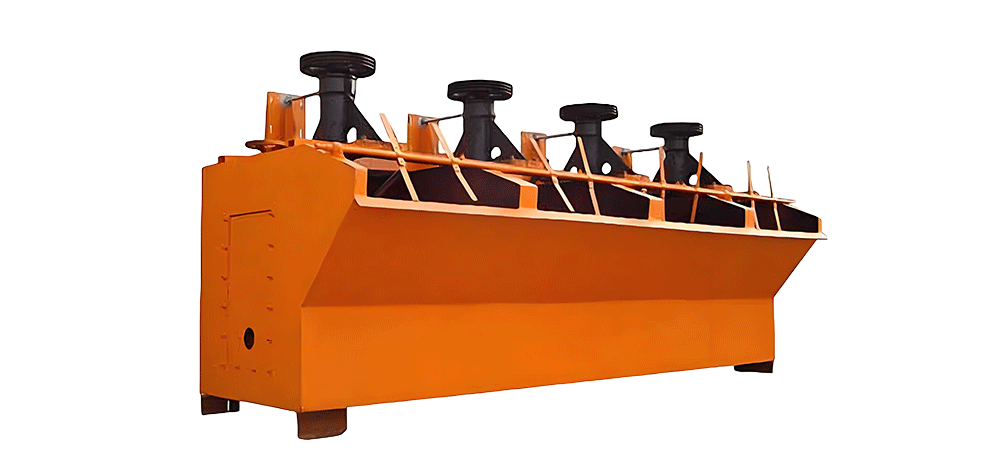
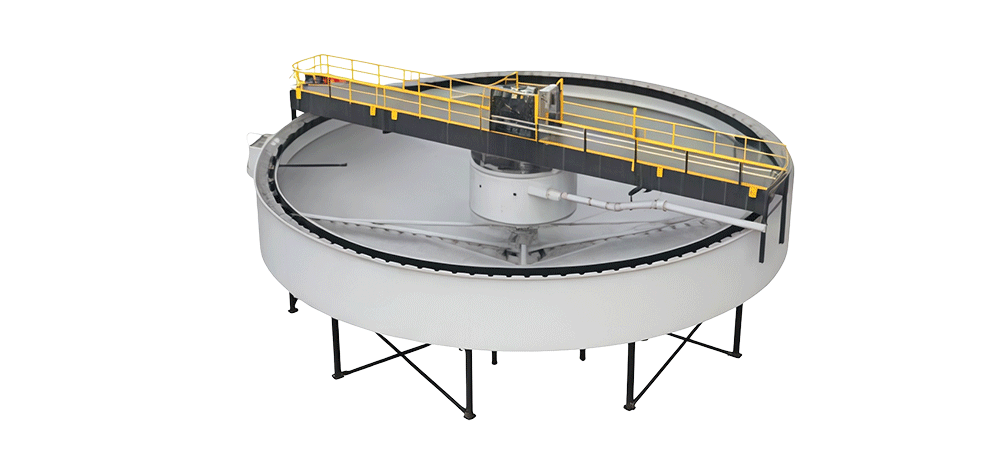
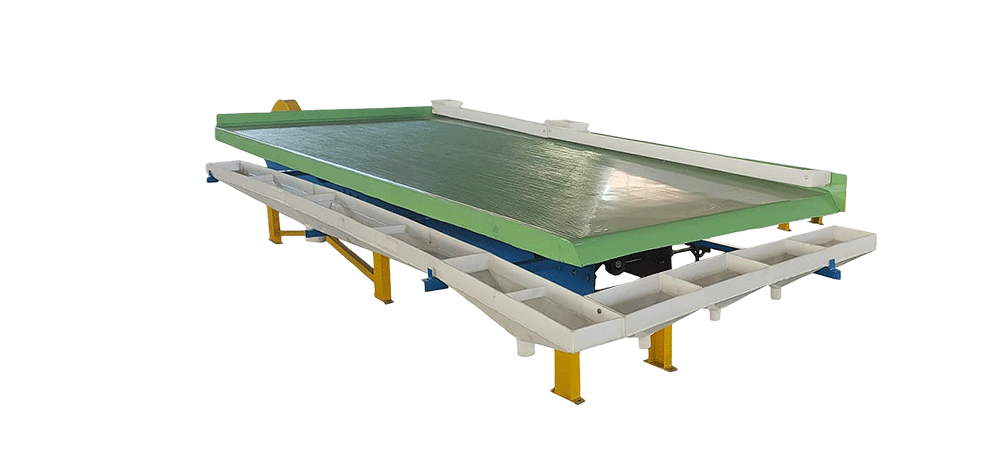


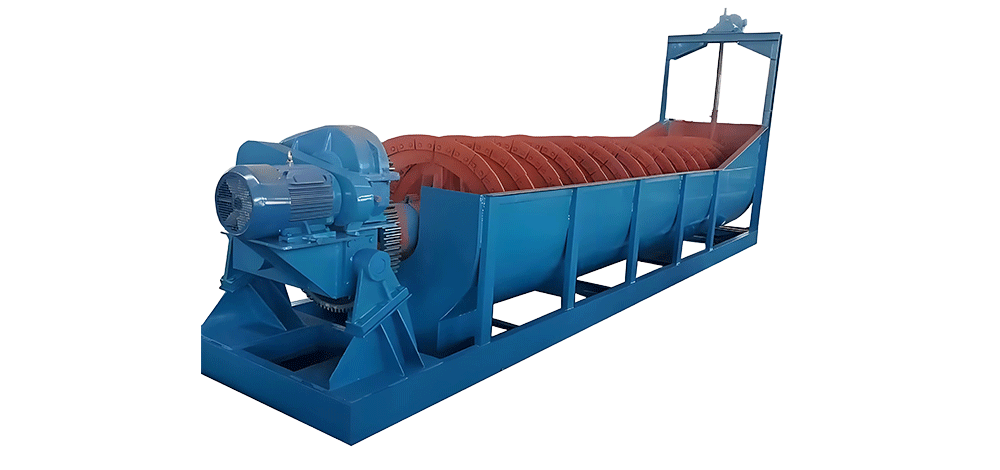


CSTMG Lithium Ore Pre-Beneficiation Equipment For Sale
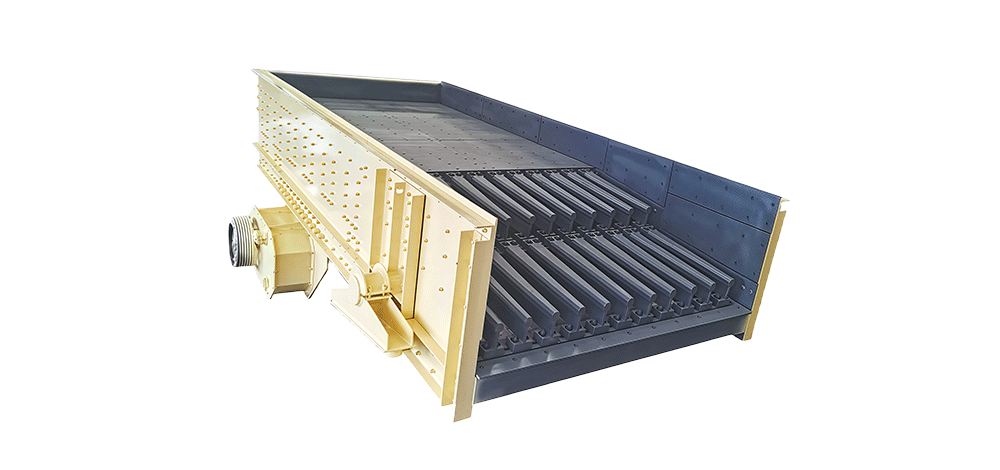
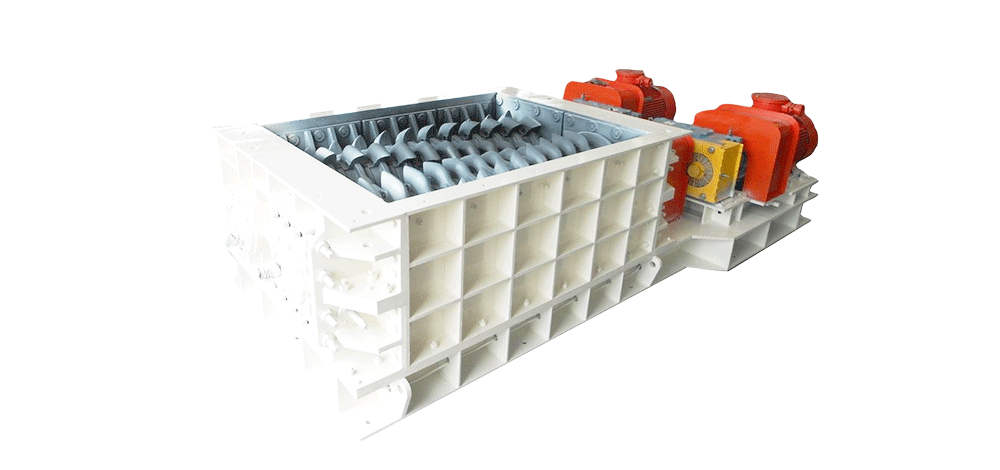


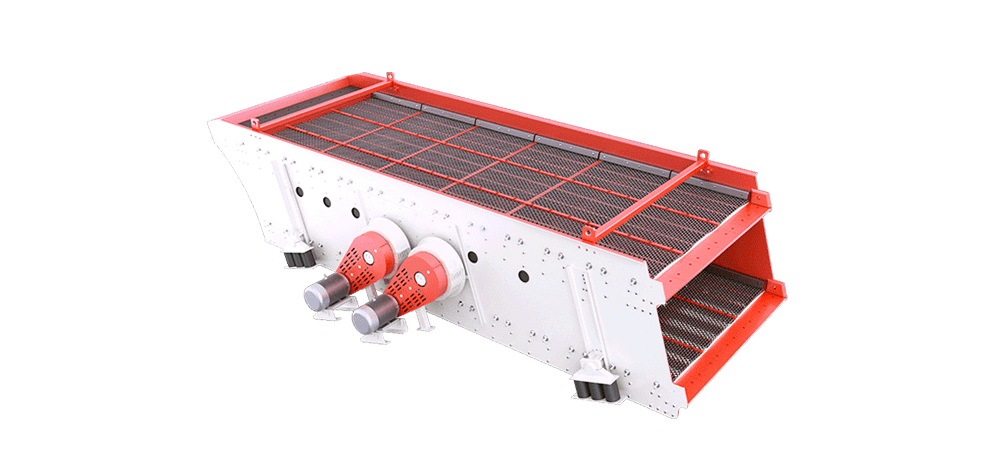


Global Market Solutions: Regional Expertise and Commercial Needs
Whether you’re developing a greenfield lithium mine or upgrading an existing facility, our turnkey lithium ore process plant solutions are engineered to meet the most demanding project requirements — from 50 TPD pilot plants to 5,000+ TPD commercial operations.


What Is A Lithium Ore Benefication Plant?
A lithium ore beneficiation plant is a mineral processing facility designed to separate lithium-bearing minerals — primarily spodumene (LiAlSi₂O₆), lepidolite, and petalite — from host rock and gangue minerals. The goal is to produce a high-grade lithium concentrate (typically Li₂O ≥ 5.0–6.5%) that can be further processed into battery-grade lithium carbonate (Li₂CO₃) or lithium hydroxide (LiOH).
With global lithium demand driven by EV batteries, energy storage systems, and consumer electronics, a well-designed lithium ore process plant is the critical link between raw ore in the ground and the clean energy economy.
How Does A Lithium Ore Beneficiation Plant Work?

We provide a complete, integrated lithium ore beneficiation process covering every stage from run-of-mine ore to final concentrate:
Stage 1 — Crushing & Screening
Raw lithium ore is reduced in size through a multi-stage crushing circuit (jaw crusher → cone crusher → vibrating screen), achieving a product size of typically 10–20 mm for downstream processing. Proper size reduction is critical to maximize mineral liberation without over-grinding.
Stage 2 — Grinding & Classification
The crushed ore enters a ball mill or rod mill circuit, ground to a target particle size of 0.074–0.15 mm (100–200 mesh). Hydrocyclones and spiral classifiers control the grinding product size, ensuring optimal liberation of lithium minerals from gangue.
Stage 3 — Dense Media Separation (DMS) (Pre-concentration)
For spodumene ores, Dense Media Separation is applied as a pre-concentration step. Using a ferrosilicon medium, DMS exploits the density difference between spodumene (3.1–3.2 g/cm³) and waste silicates (2.6–2.7 g/cm³), rejecting up to 40–60% of feed mass as waste before flotation — dramatically reducing reagent consumption and flotation circuit size.
Stage 4 — Froth Flotation (Core Process)
Froth flotation is the heart of any lithium ore process plant. Our flotation circuits use carefully selected collectors, frothers, and depressants to selectively float lithium minerals:
- Spodumene flotation: Amine-based collectors (e.g., dodecylamine) at alkaline pH (9–11), with sodium hydroxide activation after thermal treatment (calcination at 1050°C for alpha→beta spodumene conversion)
- Lepidolite flotation: Cationic collectors targeting mica-group minerals, with careful pH control
- Reverse flotation: Depressing lithium minerals while floating silica/feldspar gangue for high-purity concentrates
Typical flotation recovery: 78–88% | Concentrate grade: Li₂O 5.5–6.5%
Stage 5 — Magnetic Separation (Purification)
High-intensity magnetic separators (HIMS, 8,000–15,000 Gauss) remove iron-bearing minerals (tourmaline, biotite, iron oxides) that contaminate the lithium concentrate. This step is essential for meeting downstream smelter specifications and improving final product value.
Stage 6 — Gravity Separation (Optional)
For coarser-grained ores, gravity separation using shaking tables or spiral chutes provides an energy-efficient pre-concentration or scavenging option, recovering coarse lithium particles that may be lost in flotation.
Stage 7 — Dewatering & Tailings Management
The final lithium concentrate is dewatered via thickeners and vacuum disc filters to achieve a moisture content of ≤12%, ready for transport or further hydrometallurgical processing. Our plants incorporate dry-stack tailings systems to minimize water consumption and environmental footprint.
Why Choose Our Lithium Ore Beneficiation Plant?
✅ Proven Recovery Rates — Achieve Li₂O recovery of 80–88% with concentrate grades meeting international smelter specifications
✅ Turnkey EPC Delivery — We handle everything: process design, equipment supply, civil construction, installation, commissioning, and operator training
✅ Scalable Capacity — Modular plant designs from 100 TPD pilot plant to 5,000+ TPD, expandable as your mine production grows
✅ Ore-Specific Process Design — Every plant is preceded by detailed metallurgical testwork (bench-scale → pilot plant) to optimize the flowsheet for your specific ore
✅ Low Operating Cost — DMS pre-concentration reduces reagent and energy costs; water recycling systems cut fresh water consumption by up to 75%
✅ Global Project Experience — Successfully delivered lithium beneficiation plants in Australia, Africa, South America, Central Asia, and China
✅ After-Sales Support — Spare parts supply, remote process optimization, and on-site technical service available worldwide
Часто задаваемые вопросы
Q: What is the difference between spodumene and lepidolite processing?
A: Spodumene typically requires a thermal activation step (calcination) before flotation to convert alpha-spodumene to the more floatable beta form. Lepidolite, being a mica mineral, uses different collector chemistry and does not require calcination. Both can achieve high recovery rates with the correct flowsheet design.
Q: How long does it take to build a lithium ore process plant?
A: A standard 500 TPD plant typically requires 12–18 months from contract signing to commissioning, including 2–3 months for metallurgical testwork, 3–4 months for engineering design, and 6–8 months for equipment fabrication and site construction.
Q: Can your plant process low-grade lithium ore?
A: Yes. Our DMS pre-concentration technology is particularly effective for low-grade ores (Li₂O 0.5–1.2%), significantly improving the economics of processing marginal deposits.
Q: Do you provide metallurgical testwork services?
A: Absolutely. We offer complete ore characterization and beneficiation testwork services, from mineralogical analysis and bench-scale flotation tests to continuous pilot plant campaigns, providing the data needed to design an optimized commercial plant.
Запрос сейчас
Чтобы мы могли порекомендовать оптимальное решение для минерального сортировщика для вашего предприятия, пожалуйста, укажите его:
- местоположение вашего проекта и приложение;
- тип материала, размер подачи, влажность и твердость;
- требуемая мощность и целевой объем производства; текущие проблемы с оборудованием (если таковые имеются);
- и любые особые требования, такие как борьба с пылью или ограничение пространства.
Указание ваших контактных данных позволит нашим инженерам подготовить индивидуальное предложение с техническими характеристиками оборудования, рекомендациями по расположению и оценкой производительности в течение 24 часов.
Для ускорения обслуживания приложите к запросу все имеющиеся отчеты об испытаниях материалов или фотографии объекта.
