
Coal Washing Plant
CSTMG Coal Washing and Preparation Plant is a high-efficiency, industrial-grade solution designed to transform raw run-of-mine coal into high-value, standardized fuel. Marketed primarily as a modular and energy-efficient system, CSTMG plants are engineered to maximize recovery while reducing the operational costs associated with traditional washeries.
What Are the Coal Types and Washing Focus?
| Coal Type | Core Usage | Washing Focus | Main Equipment |
|---|---|---|---|
| Anthracite | Residential heating, special industrial heating, metal processing | Reduce ash and sulfur content, increase fixed carbon, ensure calorific value | Dense medium cyclone, jig concentrator |
| Bituminous Coal | Thermal power generation (steam coal), coking coal for steelmaking | Control ash, sulfur and calorific value; improve caking property for coking coal | Dense medium separator, jigging machine |
| Subbituminous | Thermal power generation, industrial heating | Reduce moisture and ash, optimize combustion efficiency, cut pollutant emissions | Dense medium cyclone, jigging equipment |
| Lignite | Local power plant power generation, industrial fuel | Remove ash and gangue, reduce moisture content, adapt to boiler combustion characteristics | Trommel screen, dense medium shallow channel separator, flotation machine |
Complete Coal Washing Equipment Solutions
Coal washing equipment covers these main processes:
- Crushing & Screening – Reduce coal size and classify by particle size.
- Washing & Separation – Remove impurities using dense medium, jigging, or flotation.
- Desidratação – Remove water from clean coal and tailings.
- Drying – Lower moisture for transport and use.
- Tailings & Waste Treatment – Handle sludge, refuse, and wastewater.
- Conveying & Storage – Transport and store clean coal.
Coal Feeding Machines
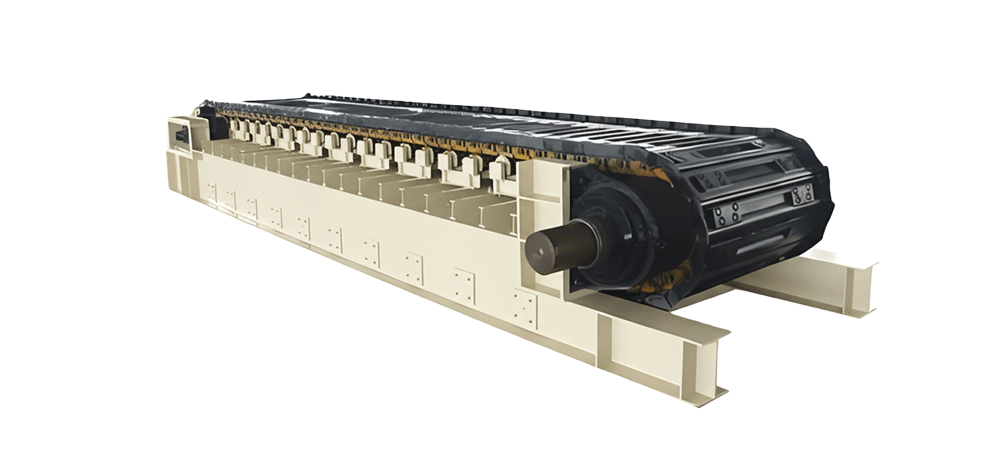
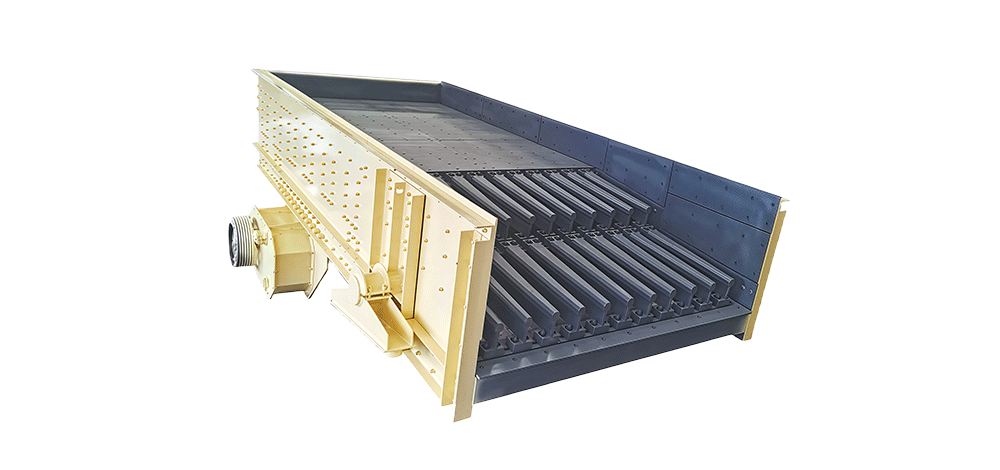
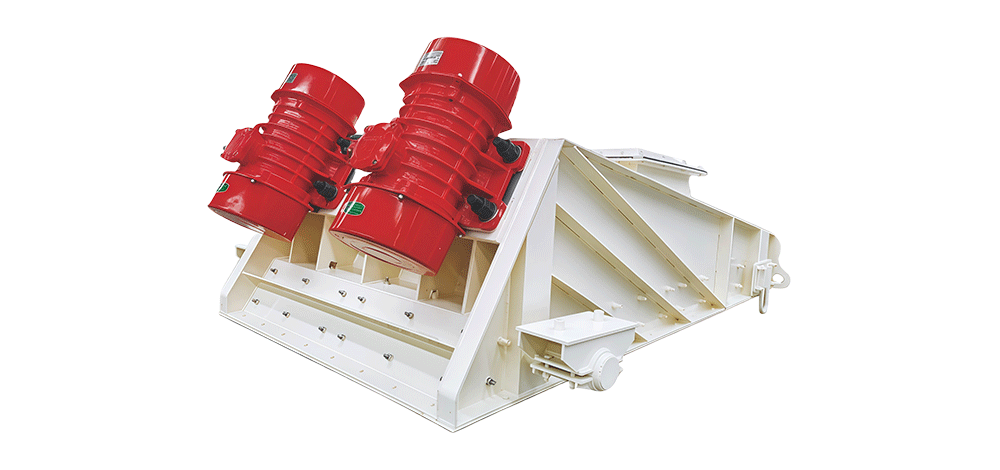

Coal Size Reduction Equipment
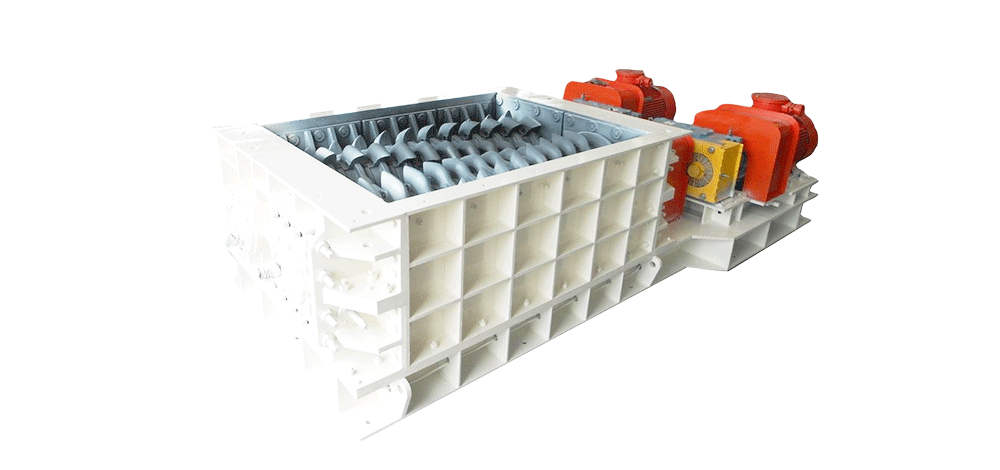

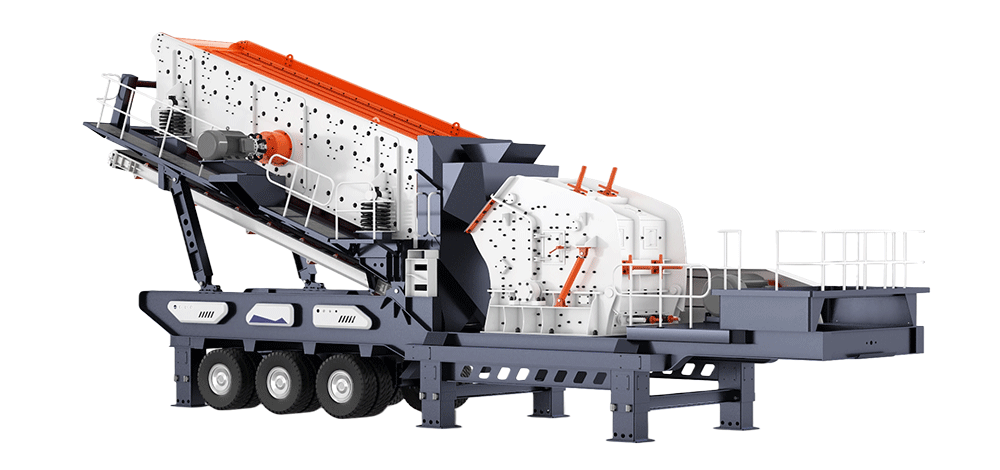

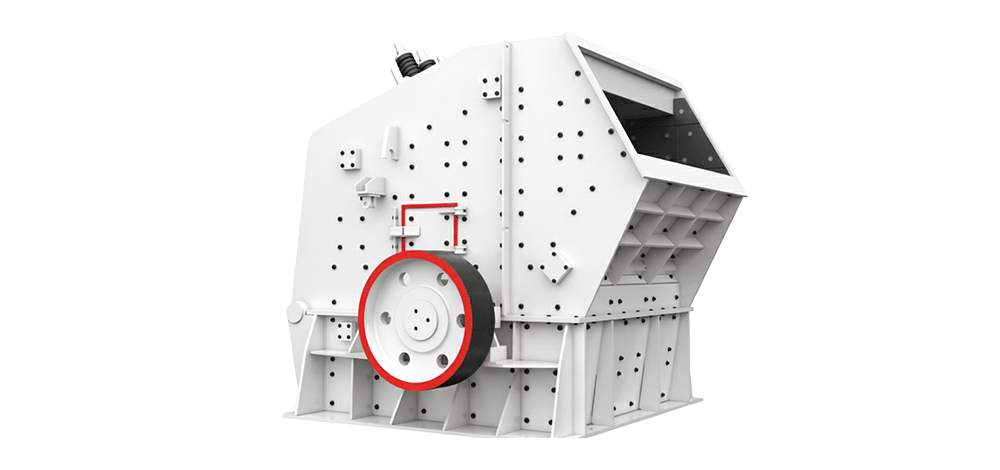


Coal Screening Equipment
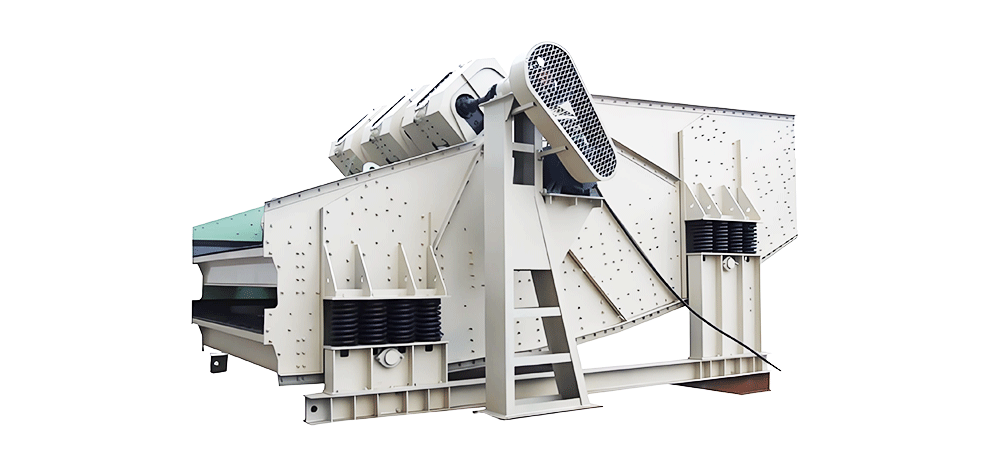
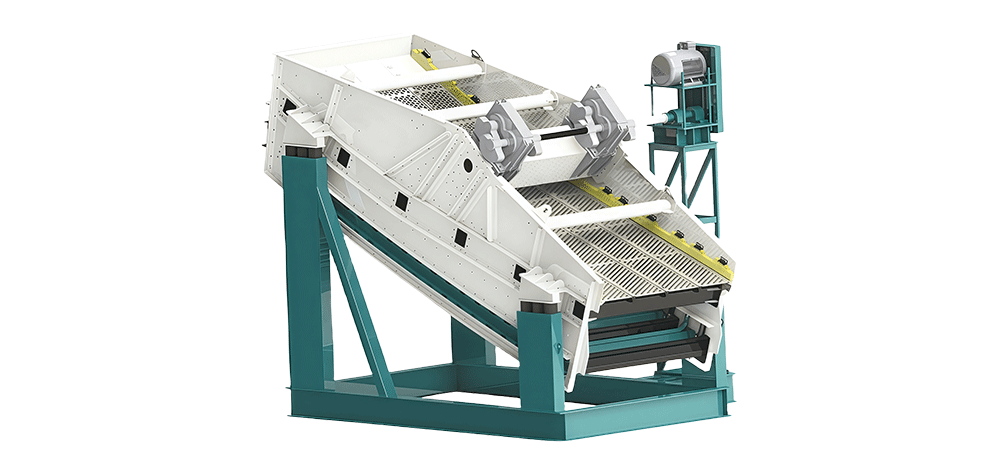


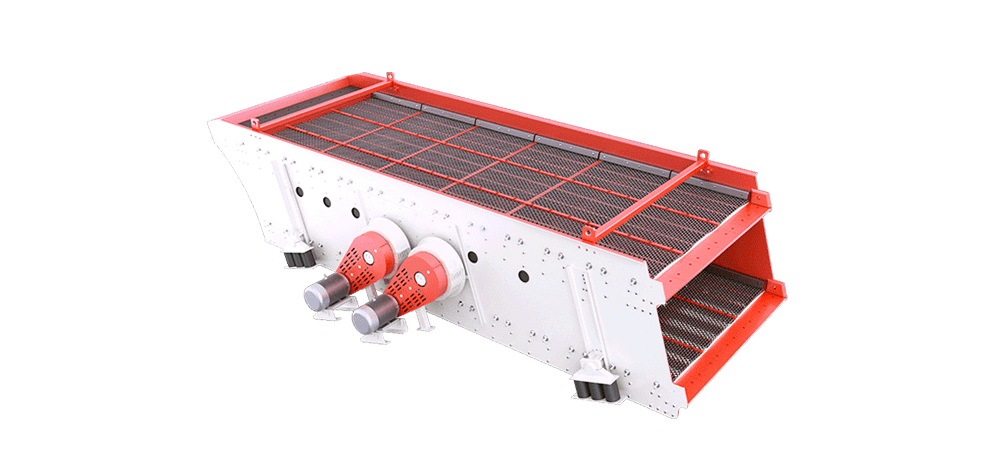

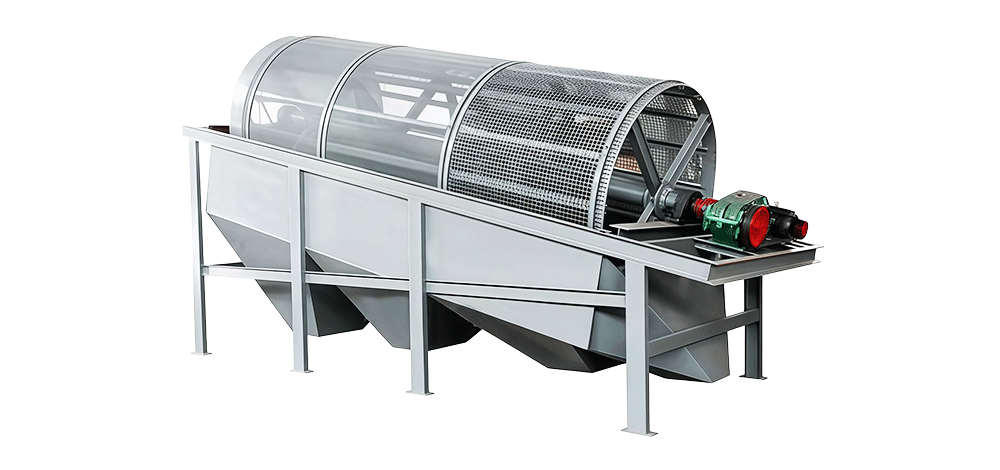
Coal Washing Equipment
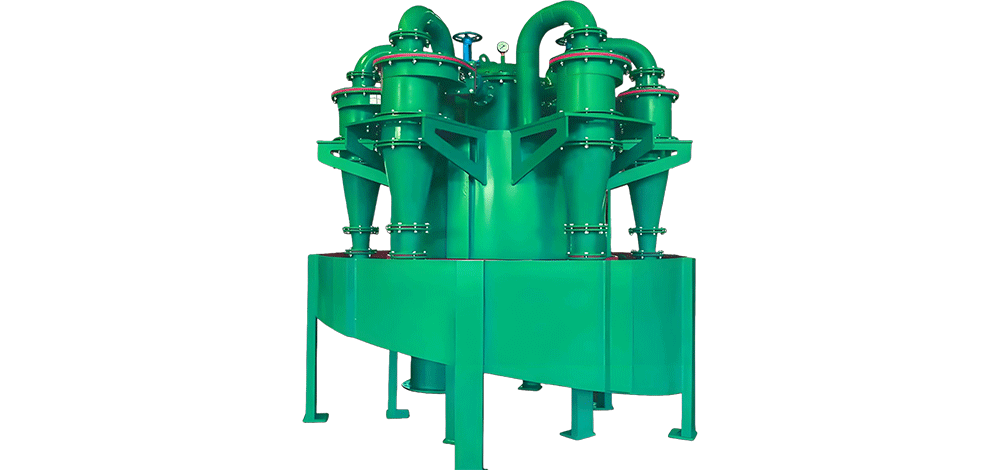
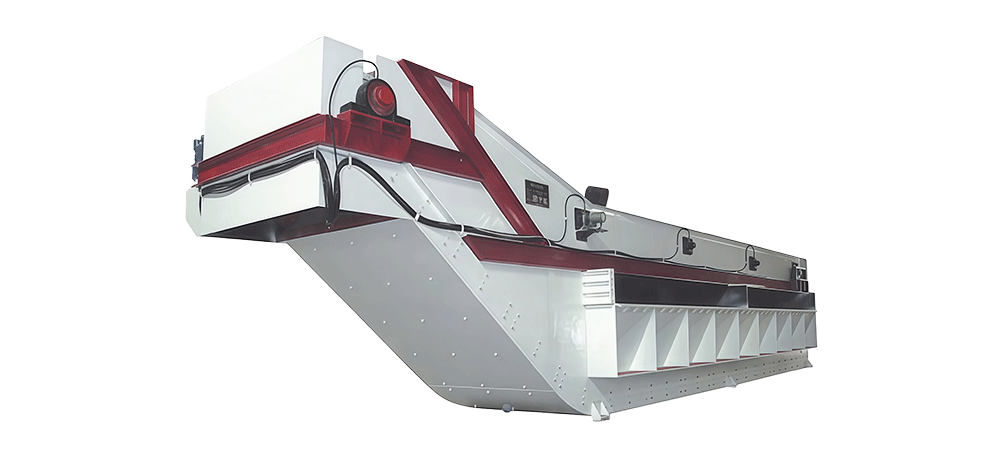
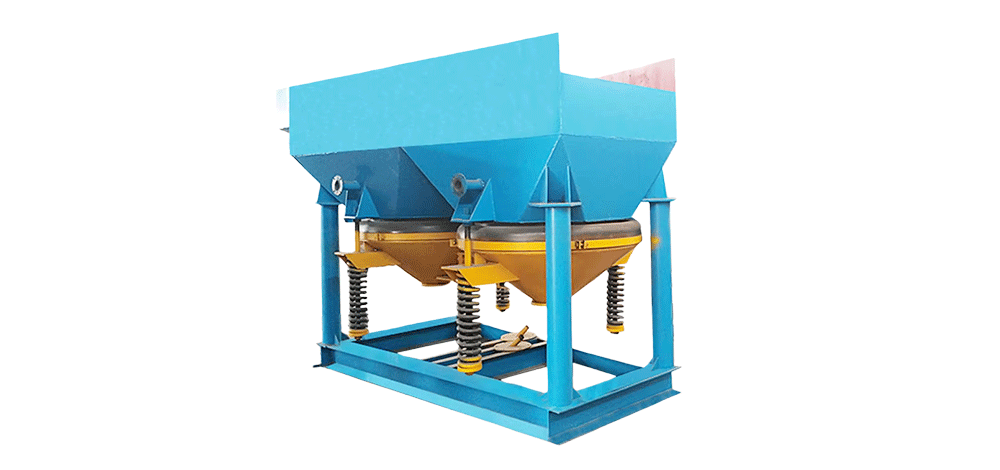
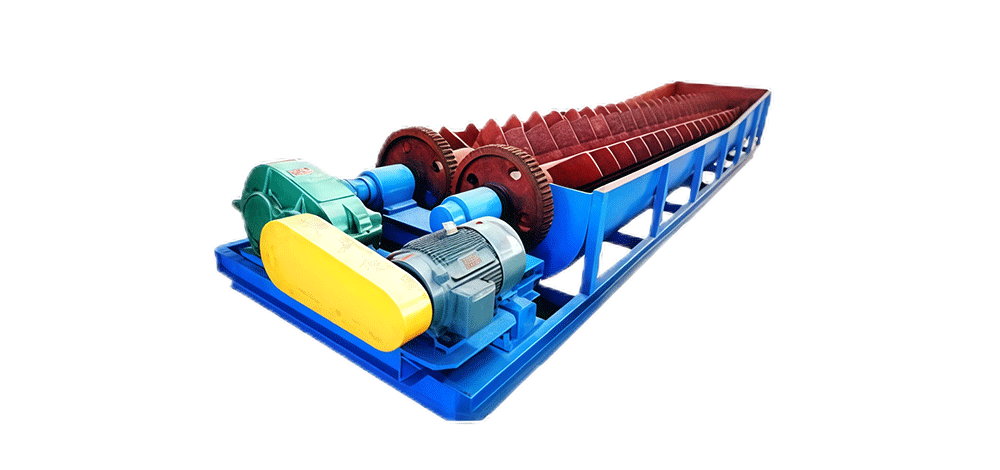
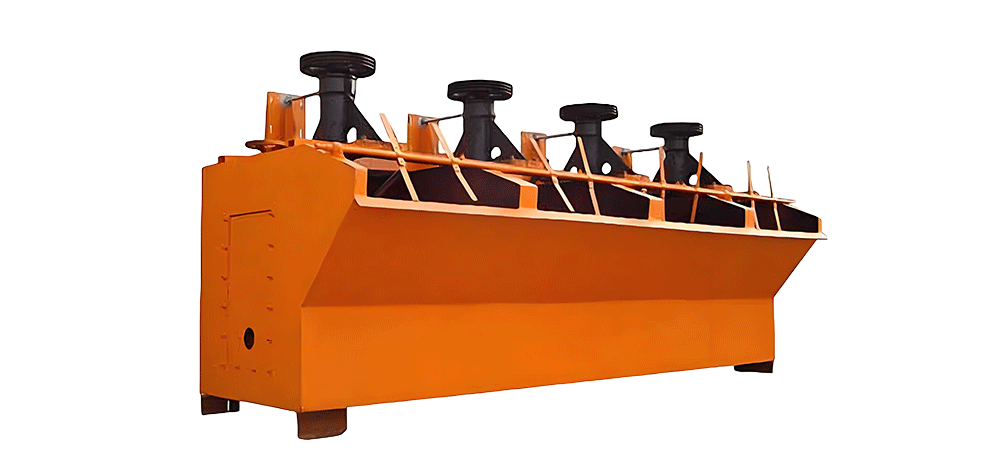
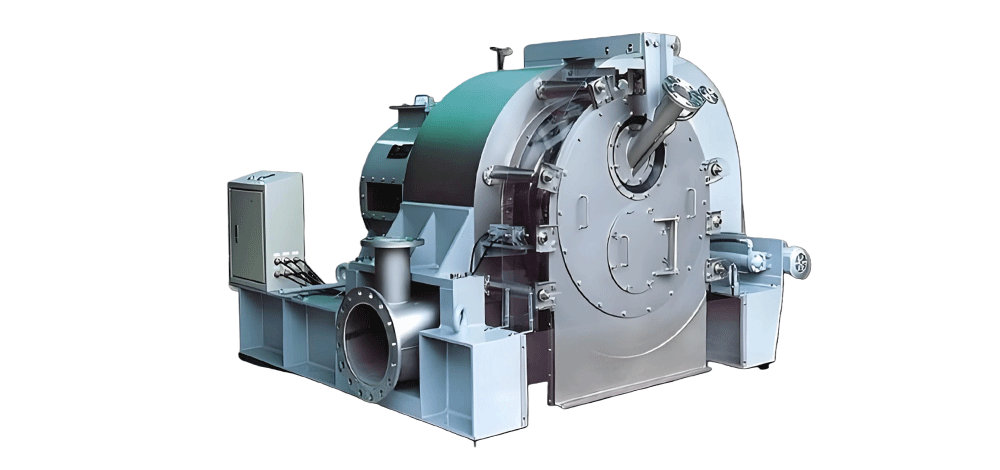
Coal Dewatering Equipment
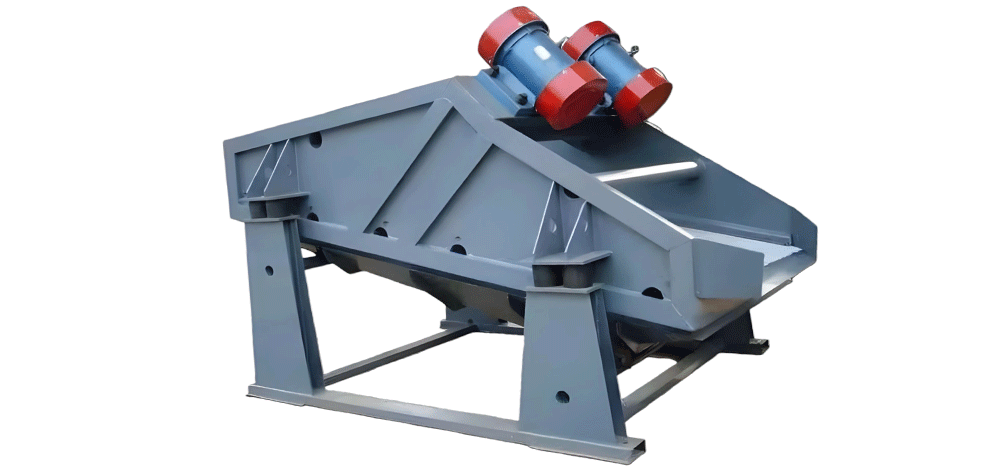
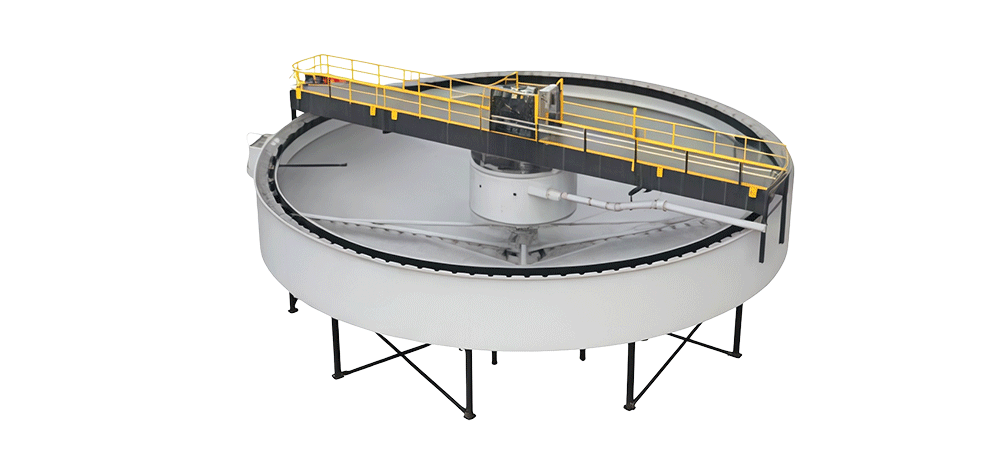
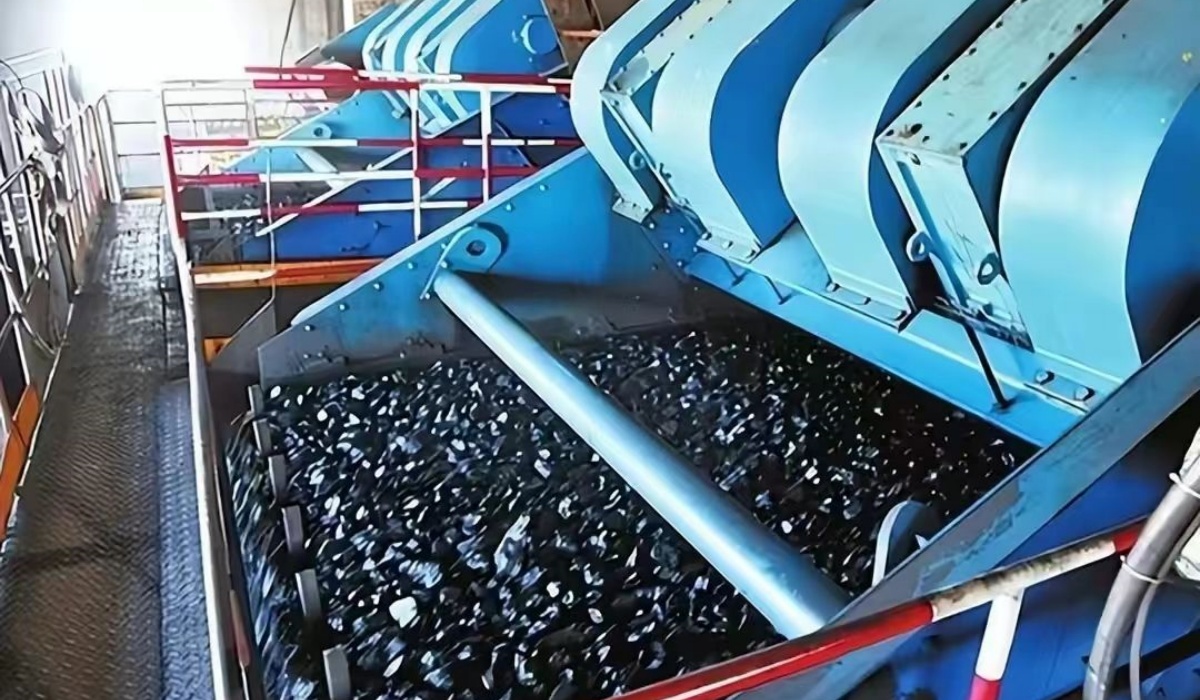
CSTMG Coal Wash Plant Global Cases
From the first crush to the final pour, our commitment is to provide you with reliable, high-efficiency coal wash equipment and support. Don’t leave your profits in the tailings—let our experts match you with the precise new gold mining equipment you need for guaranteed results and maximum profitability. Contact us today to start your project.




CSTMG Coal Wash Plant Competitive Advantages
As a globally recognized brand in professional mineral processing equipment, CSTMG delivers high quality coal wash plant designed to maximize clean coal yield, reduce operational costs, and meet strict environmental standards.
Whether you are processing raw metallurgical coal or thermal coal, here are the competitive advantages that make the CSTMG coal wash plant the ultimate choice for your mining operations.
1. Advanced Washing Technology & High Separation Efficiency
CSTMG coal wash plants integrate world-leading separation technologies, including dense medium cyclone, jigging, and flotation processes, which are scientifically matched according to different coal types (anthracite, bituminous, subbituminous, lignite) and particle sizes.
The separation accuracy reaches over 98%, effectively removing gangue, ash, and sulfur from raw coal, increasing clean coal yield by 2%-5% compared with industry averages. Our self-developed process optimization system can real-time adjust parameters according to coal quality changes, ensuring stable and efficient operation of the whole line.
2. Advanced Separation Technology & High Yield
The core of our competitiveness lies in our superior separation efficiency. We integrate world-class technologies to ensure you extract maximum value.
- Dense Medium Separation (DMS): Our advanced heavy media cyclones provide ultra-precise specific gravity cuts, ensuring minimal misplacement of clean coal into the reject streams.
- Optimized Flotation: For fine coal recovery, our flotation cells and columns are engineered to capture the finest coal particles that other plants leave behind, significantly boosting your overall recovery rate.
3. Intelligent Automation & Smart Control
Reduce human error and cut labor costs with CSTMG’s integrated smart systems.
- PLC/SCADA Integration: Our coal wash plants feature fully automated control systems. Operators can monitor density, flow rates, and equipment status in real-time from a central control room.
- Auto-Adjustment: Sensors continuously feed data back to the system, allowing for automatic adjustments to maintain optimal washing conditions even when raw coal feed fluctuates.
4. Unmatched Durability & Low Maintenance Costs
Mining environments are harsh, which is why CSTMG equipment is built to last.
- Wear-Resistant Materials: High-wear areas in our cyclones, chutes, and pumps are lined with premium high-chrome alloys, alumina ceramics, or specialized polyurethane.
- Modular Design: Equipment is designed for easy access. Modular screens and liners allow for quick replacement during scheduled maintenance, drastically reducing downtime.
5. Eco-Friendly & Closed-Circuit Water Systems
Environmental compliance is a priority for modern mining. CSTMG coal wash plants are designed with sustainability in mind.
- Zero Water Discharge: Our efficient thickeners and filter presses ensure a fully closed-circuit water system. Process water is clarified and recycled back into the plant, reducing freshwater consumption and eliminating wastewater discharge.
- Effective Tailings Management: We provide dry stacking solutions for coal refuse, minimizing the environmental footprint and enhancing site safety.
6. Customized EPC Turnkey Solutions
- Tailored Flowsheets: Our expert engineering team designs customized coal washing flowsheets based on your specific raw coal washability data (float-sink tests) and desired final product specifications.
- Full-Service EPC: From initial consultation, plant design, and equipment manufacturing to installation, commissioning, and operator training, CSTMG provides a seamless, hassle-free turnkey solution.
What Is A Coal Wash Plant?
A coal washing plant, also called a coal preparation plant or coal processing plant, is a specialized industrial facility that cleans raw coal by separating it from impurities like gangue (waste rock), ash, sulfur, and other harmful components. The core purpose is to improve coal quality, reduce transportation costs, minimize environmental pollution during combustion, and meet industrial and commercial usage standards.
Raw coal extracted from mines often contains high levels of impurities that affect its combustion efficiency and increase environmental harm. A coal washing plant uses physical and sometimes chemical separation processes (such as dense medium separation, jigging, flotation, etc.) to upgrade the coal, producing cleaned coal with lower ash, sulfur, and impurity content.
Why Should Wash Coal?
Washing coal, also called coal preparation or coal cleaning, is essential for improving coal quality, cutting costs, protecting the environment, and meeting industry standards. Below are the key reasons, organized into core benefits that matter most to mines, power plants, steel mills, and coking facilities.
1. Remove Impurities to Boost Coal Quality
Raw coal from mines contains high levels of gangue (waste rock), ash, sulfur, moisture, and other contaminants. Washing coal separates these impurities, producing clean coal (clean coal product) with:
- Lower ash content (improves combustion efficiency)
- Reduced sulfur (cuts harmful emissions)
- Higher calorific value (more energy per ton)
- Consistent quality (meets strict industrial specifications)
This makes coal suitable for high-demand uses like power generation, steel production, and coking.
2. Reduce Transportation and Storage Costs
Washed coal has fewer impurities and less moisture, so it weighs less per unit of energy. Transporting clean coal reduces freight costs significantly—you pay less to move the same amount of usable energy. It also minimizes storage space waste from low-quality, high-impurity coal.
3. Minimize Environmental Pollution
Unwashed coal releases large amounts of pollutants when burned:
- Sulfur dioxide (SO₂) → causes acid rain
- Particulate matter (dust/ash) → air pollution
- Heavy metals → soil and water contamination
Washing coal removes sulfur and ash before combustion, lowering emissions and complying with global environmental regulations. It also reduces coal slurry runoff and waste rock disposal, protecting ecosystems.
4. Protect Equipment and Extend Machinery Life
Impurities like ash, gangue, and hard rock damage industrial equipment (boilers, furnaces, turbines, conveyors) by causing abrasion, clogging, and corrosion. Washed coal:
- Reduces wear and tear on machinery
- Lowers maintenance costs and downtime
- Extends the lifespan of critical production equipment
5. Meet Strict Industry and Regulatory Standards
Nearly all power plants, steel mills, and coking plants require low-ash, low-sulfur coal to operate efficiently and meet government emissions rules. Washing coal ensures the final product complies with:
- International environmental standards (e.g., EPA, EU regulations)
- Industry specifications for power generation and steel production
- Mine closure and waste reduction policies
6. Maximize Resource Recovery and Profit
By separating clean coal from waste, washing plants recover more usable coal from raw ore—even low-grade coal can be upgraded to a marketable product. This increases revenue, reduces waste, and makes marginal coal deposits economically viable.
7. Improve Safety in Mining and Processing
Washing coal reduces the risk of:
- Dust explosions (from fine coal dust)
- Equipment malfunctions caused by impurities
- Health hazards for workers (exposure to toxic dust/heavy metals)
Types of CSTMG Coal Wash Plants
1. Gravity Coal Separation
As one of the most widely used methods in coal washing, gravity separation relies on the difference in specific gravity between coal and gangue (waste rock). Under the action of gravity or centrifugal force, coal (lower specific gravity) and gangue (higher specific gravity) are separated.
Typical equipment includes jig concentrators, dense medium cyclones, and dense medium shallow bath separators.
This method is suitable for medium and large particle coal (0.5–50mm) and is characterized by high efficiency, low energy consumption, and low cost.

2. Flotation Coal Preparation
Flotation is mainly used for fine-grained coal (particle size <0.5mm), which cannot be effectively separated by gravity separation. It utilizes the difference in surface properties between coal and gangue: coal is hydrophobic (repels water) and attaches to air bubbles to float to the surface, while gangue is hydrophilic (attracts water) and stays in the pulp.
Key equipment includes flotation machines and agitator tanks.
This method is essential for recovering fine clean coal and improving overall coal yield.

3. Special Coal Preparation
This method mainly uses the differences in physical and chemical properties between coal and gangue, such as electrical conductivity, magnetic permeability, friction coefficient, and ray penetration ability, to achieve separation. It is suitable for special coal types or complex impurity conditions, and common sub-methods include:
- Electrostatic Separation: Separates coal and gangue by the difference in electrical conductivity.
- Magnetic Separation: Uses the difference in magnetic permeability to remove magnetic impurities from coal.
- Friction Separation: Relies on the difference in friction coefficient to separate materials with different surface roughness.
- Radioisotopic Separation & X-ray Separation: Uses the difference in ray penetration ability to identify and separate coal and gangue accurately.
How Does A Coal Wash Plant Work?

Coal washing equipment plays a critical role in upgrading coal quality, removing impurities, and enhancing the economic value of coal products. The entire coal washing process is a systematic workflow, where each piece of equipment works in coordination to achieve efficient separation, purification, and processing of raw coal. Below is a detailed introduction to the core links involved in coal washing equipment operations, covering every stage from raw coal input to the final clean coal output.
The process starts with crushing and screening, the initial step to prepare raw coal for subsequent washing. Raw coal is first crushed into appropriate particle sizes using crushing equipment, then screened to classify coal particles by size. This ensures that coal of different sizes can be processed optimally in the following washing stages, improving separation efficiency and reducing equipment wear.
The core link of coal washing is washing and separation, where coal washing equipment removes impurities (such as gangue, sulfur, and ash) from raw coal. Common separation methods include dense medium separation, jigging separation, and flotation, each adapted to different coal types and impurity characteristics. Dense medium separation uses a dense suspension to separate coal from impurities based on density differences, while jigging and flotation target finer particles and specific impurities, ensuring high-purity clean coal production.
After separation, dewatering becomes a key step to reduce moisture content in clean coal and tailings. Dewatering equipment (such as filter presses, centrifuges, and thickeners) removes excess water from the separated clean coal, preventing caking during storage and transportation, and meeting the moisture requirements for industrial use. Simultaneously, dewatering of tailings (waste materials) facilitates subsequent waste treatment and environmental protection.
For coal products that require lower moisture content, drying is an optional but important link. Drying equipment further reduces the moisture of dewatered clean coal, making it more suitable for long-distance transportation and high-efficiency combustion in power plants, steel mills, and other industrial sectors. This step also helps prevent corrosion and deterioration of coal during storage.
Environmental protection is integral to the coal washing process, so tailings and waste treatment is a necessary link. Coal washing equipment is equipped with supporting systems to handle sludge, refuse, and wastewater generated during washing. Wastewater is treated and recycled to reduce environmental pollution, while tailings and sludge are properly disposed of or reused, ensuring compliance with environmental standards and sustainable operation.
Finally, conveying and storage completes the entire coal washing workflow. Conveying equipment (such as belt conveyors) transports clean coal from the washing and drying stages to storage facilities, where it is stored in silos or yards for subsequent delivery to customers. This link ensures the smooth transfer of finished products and stable supply to meet market demand.
Water Consumption per Ton of Coal for Coal Washing Lines
The water consumption per ton of raw coal in coal washing lines is primarily determined by process type, coal quality characteristics, circulating water utilization rate, and regional water use quota requirements. Combined with national standards and industry practices, the following quantitative conclusions and selection suggestions are provided:
I. Industry Practice Values (Closed Circulating Water System)
- Dense medium coal preparation (mainstream high-efficiency process): 0.05–0.08 m³/t
- Jig coal preparation: 0.08–0.12 m³/t
- Flotation (fine coal supplement): 0.01–0.03 m³/t (make-up water only)
- Dry coal cleaning: 0 m³/t (no water consumption)
II. Water Consumption Differences by Process Type
| Process Type | Water Consumption per Ton of Raw Coal (m³/t) | Characteristics |
|---|---|---|
| Dense Medium Coal Preparation | 0.05–0.08 | Lowest water consumption, high separation efficiency, suitable for large-scale and fine separation |
| Jig Coal Preparation | 0.08–0.12 | Moderate water consumption, mature equipment, suitable for thermal coal and easily washable coal |
| Flotation Process | 0.01–0.03 | Only make-up water, used for separation of fine coal (<0.5 mm), not calculated in total water consumption separately |
| Dry Coal Cleaning | 0 | Zero water consumption, suitable for water-scarce areas and coarse coal separation |
III. Key Factors Affecting Water Consumption
- Circulating water utilization rate: Closed systems can achieve over 95% utilization, with make-up water only for evaporation and leakage; open systems double water consumption.
- Coal quality characteristics: Slime-forming coal and high-ash coal require more washing water, increasing consumption by 10%–30%.
- Equipment selection: High-efficiency dewatering equipment (e.g., centrifuges, filter presses) can reduce product moisture and minimize make-up water.
Dry Coal Cleaning vs Wash Coal Technology
Dry coal cleaning (dry processing) and wash coal technology (wet processing) are two core coal beneficiation routes for coal wash plants, differing fundamentally in medium, process, performance, and application scenarios.
Below is a comprehensive comparison and selection guide.
| Technology | Medium | Core Principle | Typical Equipment |
|---|---|---|---|
| Dry Coal Cleaning | Air/gravity/electrostatic force | Separate coal and gangue via density/surface property differences in air; no water used | Air tables, air dense medium fluidized beds, electrostatic separators, FGX dry separators |
| Wash Coal Process | Water/slurry/dense medium | Separate via density difference in water medium; gravity separation/flotation dominate | Jigs, dense medium cyclones, dense medium baths, flotation machines |
How to Choose Between Dry Coal Cleaning Plant and Wash Coal Plant?
Key Performance Comparison
1. Water Consumption & Environmental Impact
- Dry Coal Cleaning: Zero water consumption, no wastewater/coal slurry discharge, no water pollution risk. Ideal for water-scarce regions (e.g., arid mining areas in North China).
- Wash Coal Technology: High water consumption (1–3 m³ per ton of coal), generates coal slurry/wastewater that requires treatment. Strict environmental compliance needed for discharge.
2. Investment & Operating Costs
- Dry Coal Cleaning: Lower investment (30–50% less than wet processing), shorter construction cycle, low maintenance cost, low energy consumption. Suitable for small/medium-scale plants or short-term projects.
- Wash Coal Technology: Higher investment (complex dewatering/sludge treatment systems), higher energy and chemical consumption (flotation reagents), higher maintenance cost. Economical for large-scale, long-term operations.
3. Separation Performance & Product Quality
- Dry Coal Cleaning:
- Advantages: Simple process, dry products (no dewatering needed), high recovery of coarse coal (≥90% combustible recovery for 6–50 mm particles).
- Limitations: Poor separation efficiency for fine coal (<6 mm), lower product purity than wet processing; not suitable for high-grade metallurgical coal (requires low ash/sulfur).
- Wash Coal Technology:
- Advantages: High separation efficiency (especially for fine coal via flotation), low ash/sulfur products, meets strict quality standards for metallurgical coal and high-value thermal coal.
- Limitations: Wet products need dewatering, increases cost and time; sensitive to coal friability.
4. Process Complexity & Adaptability
- Dry Coal Cleaning: Simple process flow, less equipment, easy automation. Requires pre-drying of high-moisture coal; poor adaptability to high-ash fine coal.
- Wash Coal Technology: Complex process (crushing→screening→separation→dewatering→sludge treatment), high equipment density. Adaptable to all coal types (including fine coal, high-ash coal).
5. Safety & Health Risks
- Dry Coal Cleaning: Dust explosion/fire risks; requires dust suppression systems.
- Wash Coal Technology: Low dust risk, but water logging/sludge accumulation risks exist.
Cenários típicos de aplicação
1. Choose Dry Coal Cleaning If:
- The plant is located in water-scarce areas (e.g., Northwest China, arid mining regions).
- The coal is coarse-grained (6–50 mm), low-moisture, and for low-grade thermal coal (power plant fuel).
- Small/medium-scale plants with short-term investment or low budget.
- Need pre-deshaling for metallurgical coal before wet processing to reduce load.
2. Choose Wash Coal Technology If:
- The coal contains fine particles (<6 mm) or slurry coal (requires flotation).
- High-grade products are needed (metallurgical coal, high-value thermal coal with strict ash/sulfur limits).
- Large-scale plants with long-term operation and stable water supply.
- Strict environmental regulations require zero discharge of coal slurry.
Hybrid Solutions (Most Practical for Modern Plants)
Many coal wash plants adopt a dry-wet hybrid process to balance efficiency and cost:
- Dry pre-deshaling: Use dry coal cleaning for coarse coal to remove most gangue, reduce transportation and processing cost.
- Wet final separation: Use wash coal technology for fine coal and high-requirement products to ensure quality.
This hybrid approach combines the low water/ cost advantages of dry processing and the high separation efficiency of wet processing, which is the mainstream trend in modern coal beneficiation.
Summary
| Dry Coal Cleaning | Wash Coal Technology | |
|---|---|---|
| Water Consumption | Zero | High (1–3 m³/t) |
| Custo do investimento | Low | Alto |
| Product Quality | Medium (coarse coal) | High (all coal types) |
| Adaptability | Coarse coal, water-scarce areas | All coal types, water-sufficient areas |
| Impacto ambiental | Mínimo | Requires wastewater treatment |
| Ideal para | Small-scale, low-grade, water-scarce | Large-scale, high-grade, strict quality |
Dry coal cleaning is a cost-effective, low-carbon option for water-scarce regions and low-grade coarse coal; wash coal technology is irreplaceable for high-grade products and fine coal processing. Hybrid processes are recommended for most modern coal wash plants to maximize economic and environmental benefits.
Pedido de informação
Para nos ajudar a recomendar a solução ideal de dimensionador de minerais para a sua operação, forneça:
- a localização e a aplicação do seu projeto;
- tipo de material, tamanho da alimentação, humidade e dureza;
- capacidade necessária e dimensão pretendida da produção; desafios actuais em termos de equipamento (caso existam);
- e quaisquer requisitos especiais, como controlo de poeiras ou limitações de espaço.
A inclusão dos seus dados de contacto permitirá aos nossos engenheiros preparar uma proposta personalizada com especificações de equipamento, recomendações de layout e estimativas de desempenho no prazo de 24 horas.
Para um serviço mais rápido, anexe ao seu pedido quaisquer relatórios de testes de materiais ou fotografias do local.
